
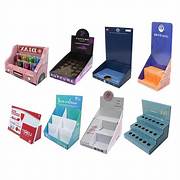
In today’s competitive retail environment, product presentation can strongly influence customer attention and purchasing decisions. Well-designed display units help businesses showcase products prominently, organize merchandise efficiently, and create a professional shopping environment. Point of Sale Display Unit Manufacturers provide customized solutions that combine functionality, durability, branding, and attractive design for retail stores, showrooms, supermarkets, malls, and promotional environments.
Material selection is an important part of creating durable and visually appealing display furniture. The considerations discussed in MDF vs Plywood: Which Material Is Best for Your Home Furniture? can also be applied to point of sale display units. Depending on the product type, expected usage, budget, and desired finish, MDF, plywood, metal, glass, laminates, and other materials can be selected to create suitable retail displays.
What Are Point of Sale Display Units?
Point of sale display units are specially designed structures used to present products in retail environments. They can include counters, shelving systems, product stands, branded kiosks, display racks, promotional units, and checkout-area fixtures.
These displays are designed to place products where customers can easily see, access, and understand them. A well-planned display can also help retailers communicate promotions, new product launches, special offers, and brand messages.
Customized Display Solutions
Every retail business has different products, store layouts, branding requirements, and merchandising strategies. Professional manufacturers can develop customized display units according to precise dimensions and specific product requirements.
Display units can be designed for cosmetics, electronics, apparel, accessories, food products, jewellery, lifestyle products, and many other categories. Customization allows the display to match the product dimensions while maintaining a consistent visual identity.
Attractive Product Presentation
The primary purpose of a point of sale display is to attract customer attention. Colour, lighting, product arrangement, graphics, materials, and proportions all contribute to the effectiveness of the display.
Manufacturers can incorporate illuminated shelves, branded panels, acrylic elements, glass sections, digital screens, and customized graphics to create visually engaging displays. The design should attract attention without making the merchandise difficult to view or access.
Efficient Use of Retail Space
Retail floor space is valuable, making efficient space utilization an important consideration. Display units should provide sufficient product capacity while maintaining comfortable customer movement.
Wall-mounted displays, freestanding racks, corner units, compact counters, and modular shelving can be designed according to the available area. Proper spacing between displays can also improve navigation and prevent the store from appearing overcrowded.
Durable Materials and Construction
Retail displays are frequently handled by customers and staff, so durability is essential. Materials should be selected according to the expected level of use, product weight, maintenance requirements, and store environment.
MDF and plywood can provide versatile options for customized structures, while metal may be suitable for heavy-duty applications. Glass and acrylic can be incorporated where transparency and product visibility are priorities.
Branding and Visual Identity
Point of sale displays provide an opportunity to reinforce brand identity directly at the customer interaction point. Logos, brand colours, typography, graphics, and distinctive design elements can be incorporated into the display.
Consistent branding across multiple stores can create a recognizable shopping environment. Customized manufacturing also allows retailers to develop display designs that differentiate their products from competing brands.
Modular and Flexible Display Systems
Retailers often change product ranges and promotional campaigns. Modular display systems can provide greater flexibility because components can be rearranged or adapted according to changing merchandising requirements.
Adjustable shelves, removable panels, interchangeable graphics, and configurable compartments can allow retailers to refresh their displays without replacing the entire structure.
Display Units for Different Retail Environments
Different retail settings require different display approaches. Supermarkets may need organized product racks and promotional stands, while fashion stores may require branded fixtures and accessory displays.
Electronics retailers may benefit from display counters that allow customers to interact with products. Cosmetics and jewellery stores may require illuminated and premium-finish displays that emphasize product details.
Professional manufacturers can develop solutions according to the specific environment and product category.
Professional Manufacturing and Installation
Accurate manufacturing ensures that display units match the approved dimensions and design specifications. Experienced manufacturers can work with retail layouts, branding guidelines, product dimensions, and installation requirements.
Professional installation ensures that counters, shelves, panels, lighting, and other components are securely fitted and properly aligned. This is particularly important when multiple display units need to maintain a consistent appearance across a retail environment.
Choosing the Right Manufacturer
When selecting Point of Sale Display Unit Manufacturers, retailers should consider design capabilities, customization options, material quality, manufacturing experience, finishing standards, installation support, and project management.
A manufacturer should understand both the functional and visual requirements of retail displays. Clear communication about product dimensions, branding, budget, expected usage, and store layout can help ensure that the final display meets business objectives.
Conclusion
Professional Point of Sale Display Unit Manufacturers help retailers create customized displays that improve product visibility, organization, branding, and customer engagement. By combining appropriate materials, efficient layouts, attractive finishes, and flexible configurations, display units can become an effective part of a retail merchandising strategy.
With careful planning and professional manufacturing, businesses can create point of sale displays that not only showcase products effectively but also contribute to a polished and memorable shopping experience.