
Working at a desk for long hours has become normal for many people across the UK. Whether you work from home, in an office, or study, the desk you use plays a big role in your comfort and health. Over the years, standing desks have become popular because they help people move more and sit less. But there is another option many people are now choosing: the corner standing desk. So, what really makes a corner standing desk different from a regular desk? This blog explains the key differences in a simple and clear way, helping you decide which one suits your space and daily needs best.
Understanding Regular Desks
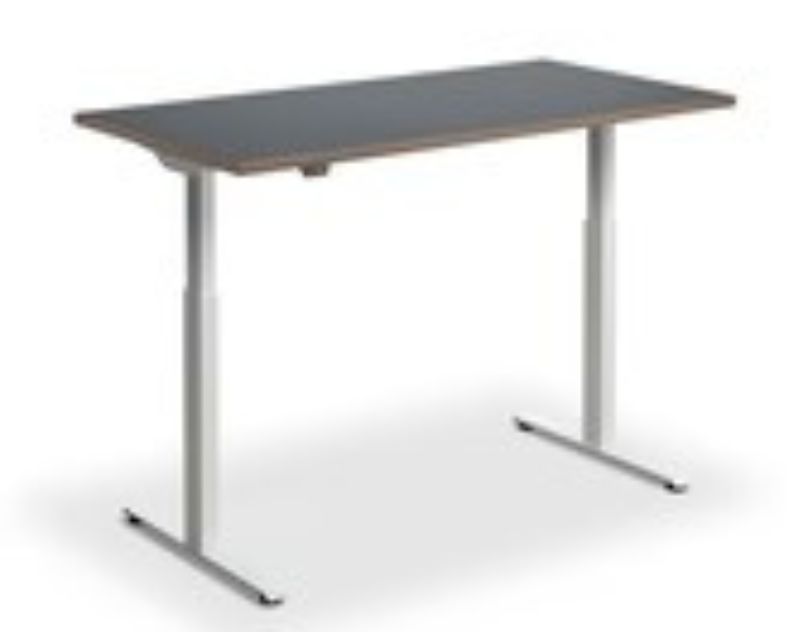
A regular desk is usually straight and placed against a wall or in the middle of a room. Most traditional desks are designed only for sitting. Some newer versions can adjust in height, but they still follow the same straight shape. Regular desks are easy to use and fit well in many rooms. They are often cheaper and simpler to set up. However, they may not always use space well, especially in smaller rooms. When placed in a corner, a straight desk often leaves unused space behind or beside it.
What Is a Corner Standing Desk?
A corner standing desk is designed to fit neatly into the corner of a room. It usually has an L-shape or curved shape that wraps around the corner. Many of these desks can move up and down, allowing you to sit or stand while working. The main idea behind this desk style is to use space more wisely. Instead of wasting corner areas, this desk turns them into a useful work zone. You can place your screen in one section and use the other side for writing, organising, or extra equipment.
Better Use of Space
One of the biggest advantages of a corner desk is how efficiently it uses space, making it an excellent choice for smaller homes and offices, which are common in many UK cities. By fitting neatly into a corner, it frees up the rest of the room, giving a more open and organised feel that can make even a compact area feel larger. Despite being placed in a corner, the L-shape design usually offers more working surface than a standard straight desk. This extra space allows you to comfortably arrange your computer, notebooks, office supplies, and other essentials without feeling cramped or cluttered, making your workspace both practical and visually appealing.
Movement and Comfort
Like other standing desks, corner standing desks let you switch between sitting and standing, reducing long periods of inactivity that can cause back pain, stiff joints, and low energy. Their shape also allows for a more natural body position, letting you turn slightly from side to side instead of reaching forward constantly, which helps reduce strain on your shoulders and arms. Regular desks usually keep you in one fixed position, which can lead to discomfort over time.
Improved Organisation
A corner desk makes it easy to organise tasks by creating clear work zones—one side for computer work and the other for paperwork, calls, or creative projects—helping you stay focused. Many are also designed with modern features like cable holes, shelves, and space for monitors or accessories, keeping your workspace tidy and professional. Regular desks often lack this built-in organisation, which can lead to cluttered surfaces and tangled wires.
Better Focus and Privacy
Placing a desk in a corner naturally faces it away from the rest of the room, reducing distractions and helping you focus. This setup creates a clear, personal workspace that feels more private and controlled, boosting concentration and productivity—something regular desks in open areas may not provide.
Flexibility for Different Users
Whether you are an office worker, student, designer, or gamer, this desk style can adapt to many needs. The extra space and adjustable height support different tasks and setups, while regular desks may feel limiting for multi-screen or tool-heavy work. Its design also encourages better posture and movement, making it comfortable and supportive for long-term daily use.
Style and Modern Design
Corner desks often have a modern look that suits today’s homes well. Their clean lines and smart designs make them both practical and attractive, blending easily with modern furniture without making the room feel crowded. With left or right corner options available, you can choose a layout that fits your space and creates a workspace that feels comfortable and just right for you.
Is a Corner Desk Worth It?
Choosing between a regular desk and a corner desk depends on your space, work habits, and comfort needs. If you want better use of space, more room to work, and the option to sit or stand, a corner standing desk offers clear advantages. Regular desks still work well for simple needs, but they may not provide the same comfort or flexibility.
Conclusion
The main difference between corner standing desks and regular desks is how they support your space, body, and daily tasks. Corner desks make better use of room corners, offer more working space, and support healthier movement throughout the day. For people in the UK looking to improve comfort, focus, and organisation, this type of desk can be a smart and practical choice. By choosing the right desk, you create a workspace that supports both your work and your wellbeing.