
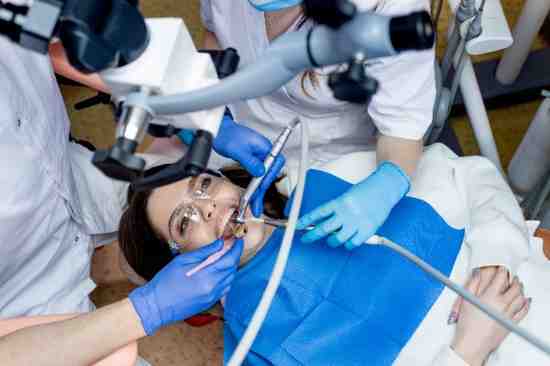
Dental emergencies are never pleasant, and when sudden toothache or swelling strikes, many people instinctively turn to antibiotics hoping for quick relief. This belief, though common, isn’t always correct. Antibiotics are powerful medications, but they’re not a universal solution for every dental issue. In fact, most dental problems require physical treatment rather than medication. This blog aims to make things clearer helping you understand when antibiotics genuinely help and when they’re simply unnecessary. By learning the difference, you can make better decisions, protect your health, and avoid complications from taking the wrong medication.
Why Antibiotics Aren’t Always the Answer
Many people believe antibiotics can fix any dental pain, but that’s not true. Pain doesn’t always mean an infection is present. Problems like decay, cracked teeth, or exposed nerves need hands-on dental treatment, not medication. Antibiotics only work when there’s a genuine infection that’s spreading or likely to spread.
Key dangers of unnecessary antibiotics:
- They contribute to antibiotic resistance
- They can temporarily hide symptoms
- They may delay essential dental treatment
Dentists prescribe antibiotics only when absolutely necessary, based on clear signs of infection. Before taking any medication, getting examined by an emergency dentist in Stevenage is the safest way to know whether antibiotics are actually required.
Dental Emergencies That Usually Do Not Require Antibiotics
Not every urgent dental issue is infection-related. In fact, many of the most common emergencies can be treated without any antibiotic involvement. Here are situations where antibiotics are typically unnecessary:
1. Toothache from Decay (without swelling)
Decay can cause intense pain, but unless there’s swelling or signs of infection, antibiotics won’t help. Treatment like a filling or root canal is needed.
2. Cracked or Broken Tooth
A broken tooth can be painful and sensitive, especially if the dentine or nerve is exposed. But again, unless infection is present, antibiotics aren’t required.
3. Lost Filling or Crown
This is uncomfortable and can make the tooth sensitive, but there’s no infection. The solution is simply to replace or repair the restoration.
4. Gum Trauma or Soft Tissue Injury
Injuries from accidents, sports, or biting something hard rarely need antibiotics unless they become infected.
5. Sensitivity Due to Enamel Wear or Recession
These issues can cause sharp pain but do not benefit from antibiotics since there’s no infection causing the discomfort.
A good rule of thumb:
If there’s no swelling, no pus, no fever, and no spreading pain, antibiotics are unlikely to help. Consulting a hygienist in Stevenage can also be helpful in cases related to gum irritation or hygiene-related discomfort.
Dental Emergencies Where Antibiotics Are Necessary
Some emergencies are directly tied to infection and do require antibiotics often urgently. Here’s a clear breakdown:
1. Abscessed Tooth or Severe Infection
An abscess is a pocket of pus that forms due to bacterial infection. Symptoms include:
- Persistent throbbing pain
- Swelling in the gum or face
- Bad taste in the mouth
- Fever
- Pus discharge
If the infection is confined to the tooth, a dentist may treat it without antibiotics. But if the infection begins to spread, antibiotics become essential to stop it from reaching the jaw, throat, or bloodstream.
2. Cellulitis or Facial Swelling
This is a more advanced infection where bacteria spread into the skin and soft tissues. Signs include:
- Rapidly spreading swelling
- Redness and warmth around the area
- Difficulty swallowing
- Difficulty opening the mouth
- Fever or feeling unwell
This condition is dangerous and requires immediate antibiotic treatment. In severe cases, hospital care may be necessary.
3. Post-Surgical Infections
After an extraction, especially wisdom teeth, infections can occasionally develop. Symptoms include worsening pain several days after surgery, foul taste, swelling, or fever. Dentists typically prescribe antibiotics when:
- The infection is spreading
- There are systemic symptoms
- There’s a risk of complications
4. Systemic Involvement (Infection Spreading Beyond the Mouth)
When an infection begins affecting the whole body, symptoms may include:
- High fever
- Chills
- Malaise
- Swollen lymph nodes
This is a serious situation, and antibiotics are essential to prevent further complications.
Common Antibiotics Dentists Prescribe
Dentists choose antibiotics based on the type and severity of the infection. Some commonly used options include:
Dentists may also provide dosage instructions tailored to your exact condition. Completing the full course is non-negotiable, even if symptoms improve earlier.
The Dangers of Misusing Antibiotics
Taking antibiotics “just in case” or self-medicating with leftover tablets can cause serious problems:
1. Antibiotic Resistance
Overuse means bacteria adapt and become harder to kill, making future infections more dangerous.
2. Masking the Real Issue
Pain may temporarily reduce, but the underlying problem like a damaged tooth or untreated decay continues to worsen.
3. Allergic Reactions
Some people experience severe reactions, including swelling, rash, or even breathing difficulty.
4. Side Effects
Antibiotics can cause stomach upset, diarrhoea, and yeast infections.
Always seek proper guidance from an emergency dentist in Stevenage rather than attempting to treat dental issues on your own.
What to Do If You Have a Dental Emergency
If you’re experiencing sudden pain, swelling, or discomfort, here’s how to handle the situation effectively:
1. Contact a Dentist Immediately
Urgent symptoms need same-day attention. Early treatment prevents complications. A hygienist in Stevenage can also help if the issue is gum-related rather than structural.
2. Avoid Taking Leftover Antibiotics
Self-prescribing is unsafe and may delay necessary treatment.
3. Use Safe Temporary Relief Methods
Until you’re seen by a dentist, you can try:
- Warm saltwater rinses
- Cold compress on the cheek
- Over-the-counter painkillers
- Avoiding extremely hot or cold foods
4. Don’t Delay Proper Treatment
Even if the pain comes and goes, dental problems rarely resolve on their own. Getting help early saves time, money, and discomfort.
Conclusion
Antibiotics are incredibly useful when an infection is present and spreading, but they’re not a general solution for every dental emergency. Most dental issues require hands-on treatment rather than medication. Understanding the difference helps protect your health and ensures you get the right care promptly. If you ever feel unsure, it’s always best to seek proper dental advice.
This is the EDA Group brought to you by Stevenage.