

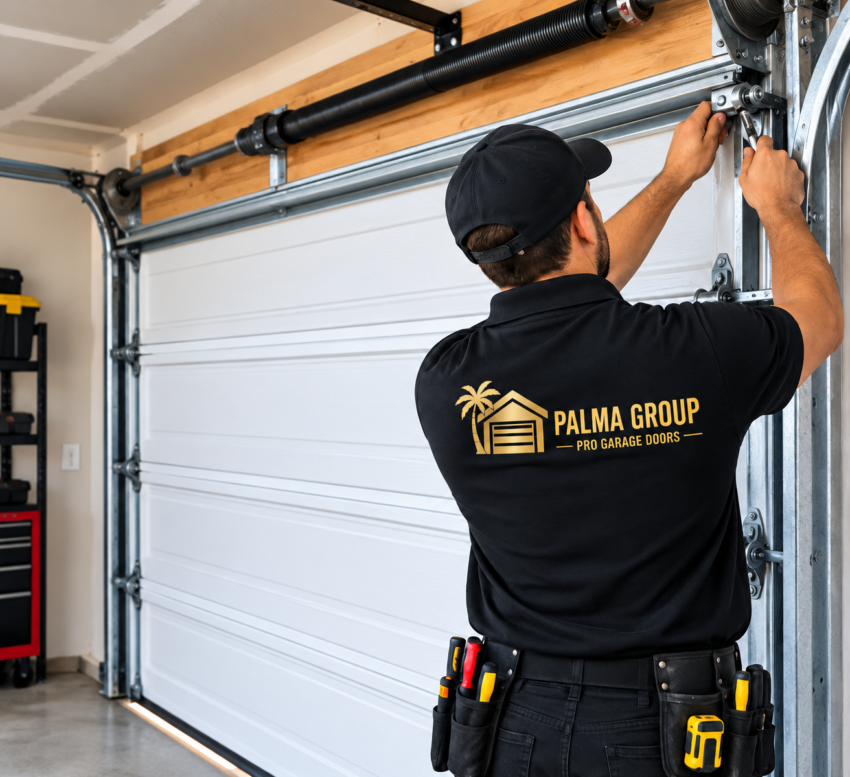
A garage door opener can become easy to take for granted until the remote stops working, the motor struggles, or the door refuses to open when you need to leave. Because the opener works repeatedly throughout the year, normal wear can eventually affect its motor, drive system, electronics, controls, and safety features. Recognizing the difference between a minor malfunction and a system that is reaching the end of its useful service life can save homeowners unnecessary frustration.
A replacement may be appropriate in some situations, while a repair or adjustment may make more sense in others. For homeowners researching Reliable Garage Door Opener Replacement services in Boynton Beach, FL, the decision should not be based solely on the age of the unit. The condition of the garage door, frequency of use, type of opener, operating symptoms, and available safety features all deserve consideration.
Before choosing a replacement, it is useful to understand how the opener interacts with the entire garage door system. Resources such as Palma Group Pro Garage Doors can help homeowners explore garage door service options, but knowing what to look for beforehand can make conversations with any technician more productive.
What Does a Garage Door Opener Need to Handle?
A garage door opener is more than a motor attached to the ceiling. It coordinates the movement of the door through a drive mechanism and responds to controls such as a wall button, remote, keypad, or compatible smart device. Depending on the system, the opener may use a chain, belt, screw, or wall-mounted drive arrangement.
The opener also works alongside safety-reversing sensors. These sensors are designed to detect an obstruction and prevent the door from continuing downward when something is in its path. Modern systems can also include features such as battery backup and smart connectivity, although available features vary by model.
Because so many components work together, an opener that behaves differently from normal deserves attention. The visible symptom may not always identify the failed component.
Why the Door Itself Matters
An opener is responsible for moving the door, but it should not be expected to compensate for a door that is excessively heavy, damaged, or improperly balanced. A problem with springs, tracks, rollers, hinges, or cables can make the opener work harder than it should.
That is why a proper evaluation should consider both the opener and the door. Replacing an otherwise healthy opener will not necessarily solve a mechanical problem elsewhere in the system.
Which Warning Signs Should Boynton Beach Homeowners Watch For?
Some opener problems appear suddenly, while others develop gradually. Paying attention to changes in performance can help homeowners determine when an inspection is warranted.
The Opener Runs but the Door Does Not Move
If the motor activates but the door barely moves or remains stationary, the drive mechanism or another connection may be damaged. A broken or worn component can prevent the motor’s movement from being transferred properly to the door.
This symptom does not automatically mean a complete replacement is necessary. A technician can determine whether the problem involves a repairable part or whether the opener itself has reached the point where replacement is more practical.
The Door Reverses Unexpectedly
A garage door that starts closing and then reverses may have a sensor issue, an obstruction, travel-setting problem, or another mechanical cause. Safety sensors should not be bypassed simply to make the door close.
If the door repeatedly reverses even when the opening is clear, professional troubleshooting is preferable to repeatedly adjusting components without identifying the cause.
The Opener Becomes Increasingly Noisy
A noticeable change in sound can indicate mechanical wear. Grinding, excessive rattling, humming, or vibration may point toward a failing drive component or another issue affecting the opener.
However, the garage door itself can also produce similar sounds. Rollers, hinges, springs, and tracks can all contribute to unusual noise, which is another reason diagnosis matters before deciding on replacement.
Controls Become Unreliable
When the wall control, remote, keypad, or other control device stops responding consistently, the problem may be related to batteries, programming, wiring, the receiver, or the opener’s electronics.
If basic troubleshooting does not resolve the issue and several controls are affected, the opener may require a more detailed electrical or electronic evaluation.
Repair or Replacement: How Should You Decide?
Replacing an opener is not always the first answer. In some cases, a worn gear, damaged sensor, programming problem, or other individual component can be addressed without replacing the entire unit.
Replacement becomes more worth considering when several problems are occurring at once or when the existing opener is an older design that lacks features a homeowner now considers important.
A practical decision can involve these questions:
-
Has the opener required repeated repairs recently?
-
Is the motor becoming unreliable?
-
Does the system frequently stop or reverse?
-
Are replacement parts becoming difficult to source?
-
Does the opener lack useful safety or convenience features?
-
Is the existing unit appropriate for the current garage door?
-
Would continued repairs provide reasonable value compared with a new unit?
There is no universal age at which every opener should be replaced. The condition and performance of the equipment matter more than a number alone.
What Should You Consider Before Choosing a New Opener?
Once replacement appears appropriate, choosing the first available model may not be the best approach. The new opener should be compatible with the garage door and the way the property is used.
Drive Type
Chain-drive systems are one common option, while belt-drive models are often selected by homeowners who place a higher priority on quieter operation. Screw-drive and wall-mounted configurations are also available for certain applications.
The best choice depends on the door, garage layout, installation requirements, and homeowner preferences rather than simply choosing the most expensive model.
Safety Features
Safety should be one of the first considerations. A replacement opener should be installed and operated according to its manufacturer’s requirements, including proper use and testing of the safety-reversing system. Manufacturer installation guidance emphasizes that garage doors and openers involve mechanical and electrical hazards and that improperly balanced or binding doors require trained attention.
Battery Backup
A battery backup can be useful when electrical power is interrupted. This feature can provide an alternative way for the opener to operate during certain outages, depending on the specific model and installation.
For South Florida homeowners, where severe weather can occasionally disrupt electrical service, backup capability may be a feature worth discussing when comparing compatible replacement units. Modern openers commonly offer battery backup as an available feature.
Smart Connectivity
Some newer openers support smartphone-based control, activity notifications, or integration with compatible smart-home systems. These features are not essential for every household, but they can be convenient for homeowners who want greater visibility over garage access.
A smart feature should be considered an added convenience rather than a substitute for properly functioning mechanical and safety components.
How Can Local Conditions Affect Opener Performance?
Boynton Beach homeowners should also consider the environment in which their garage door operates. South Florida properties can experience high humidity, moisture, intense heat, and weather events that may affect exposed metal and electronic equipment over time.
Coastal properties may face additional exposure to salty air, while garages that are not well sealed can experience more moisture and airborne debris. These conditions do not mean an opener will automatically fail early, but they make regular observation and maintenance worthwhile.
Storm-related power interruptions can also highlight the value of understanding how an opener behaves without electricity. Homeowners should know how the manual release works and follow the manufacturer’s instructions rather than improvising with the door or opener hardware.
For small businesses using overhead garage doors, reliability can be even more important because an opener failure may interfere with deliveries, vehicle access, or daily operations. Commercial applications may have different equipment requirements, so the opener should be selected according to the specific door and usage pattern.
What Should You Ask Before Opener Installation?
A replacement appointment is a good opportunity to ask questions rather than simply choosing a unit based on appearance or advertised features.
Consider asking:
-
Is the existing garage door properly balanced?
A new opener should not be used to compensate for an underlying door problem. -
Is the replacement compatible with the current door?
Door size, weight, configuration, and hardware can influence opener selection. -
What safety components will be inspected?
Sensors, mounting hardware, travel settings, and reversing functions deserve attention. -
What features are actually useful for this property?
Battery backup, smart connectivity, quieter drive systems, and wall-mounted designs may not all be necessary. -
What maintenance will the new opener require?
Understanding routine care can help preserve reliable operation.
A clear explanation of these points can help homeowners make an informed decision instead of selecting equipment based only on price or brand familiarity.
Frequently Asked Questions
How do I know whether my opener needs repair instead of replacement?
A single malfunction does not necessarily justify replacing the entire unit. If the problem comes from a sensor, remote, programming issue, or replaceable mechanical component, repair may be practical. Repeated failures or broader mechanical and electronic problems can make replacement more reasonable.
Can a new opener fix a garage door that feels unusually heavy?
Not necessarily. A heavy or difficult-to-move door can indicate a problem with springs, balance, rollers, tracks, or other hardware. Installing a stronger opener without addressing the underlying issue can leave the original problem unresolved.
Are newer garage door openers quieter?
Some newer models are designed for quieter operation, particularly certain belt-drive systems. However, noise can also originate from the garage door’s rollers, hinges, tracks, or other hardware, so replacing the opener alone may not eliminate every sound.
Is professional installation necessary for opener replacement?
Garage door openers involve electrical connections, moving hardware, safety sensors, and a heavy door. Proper installation and safety testing are important. Manufacturer guidance warns against attempting adjustments involving springs, cables, pulleys, and related hardware without appropriate training.
Conclusion
A careful inspection and informed comparison can help homeowners select a replacement that suits their property and everyday needs while avoiding unnecessary work. For homeowners considering Reliable Garage Door Opener Replacement Services, the smartest approach is to evaluate the opener together with the garage door itself. Compatibility, safety features, drive type, backup power, smart functionality, and the condition of the surrounding hardware can all influence the right choice.
A failing opener can turn a routine part of daily life into an ongoing inconvenience. Intermittent operation, unusual noises, failed controls, unexpected reversing, or a motor that no longer performs reliably are all reasons to investigate the system rather than repeatedly working around the problem.