
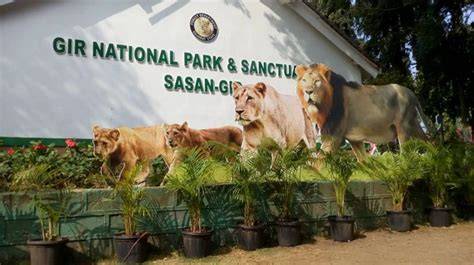
India is home to some of the most diverse wildlife experiences, and one of the most iconic is Gir in Gujarat. Wildlife Safari in Gir National Park is a bucket-list adventure for nature lovers because it is the only natural habitat of Asiatic lions in the world. Spread across more than 1,400 square kilometers, Gir offers travelers a chance to witness majestic lions, elusive leopards, and hundreds of bird species in their natural environment.
In this article, we’ll explore everything you need to know about wildlife safari in Gir National Park—safari types, seasonal highlights, wildlife species, cultural insights, travel tips, and sample itineraries—so you can plan your perfect adventure.
Why Choose a Wildlife Safari in Gir National Park?
Gir is not just another national park; it is a symbol of successful conservation. Once on the brink of extinction, Asiatic lions now thrive here thanks to dedicated efforts.
Key reasons to choose a wildlife safari in Gir National Park:
- Exclusive lion sightings: The only place in the world to see Asiatic lions in the wild.
- Diverse wildlife: Leopards, jackals, striped hyenas, antelopes, and over 300 bird species.
- Scenic landscapes: Dry deciduous forests, rivers, and grasslands.
- Cultural richness: Nearby temples, forts, and Gujarati traditions.
- Adventure and thrill: Jeep safaris, birdwatching, and photography opportunities.
Safari Options in Gir National Park
1. Jeep Safari
The most popular way to explore Gir is through jeep safaris organized by the forest department.
Highlights:
- Morning and evening slots available.
- Guided tours with trained naturalists.
- High chances of spotting lions and leopards.
2. Walking Trails (Eco-tourism Zones)
Certain buffer zones around Gir allow guided walking trails.
Highlights:
- Close interaction with nature.
- Birdwatching opportunities.
- Safe and eco-friendly experiences.
3. Devalia Safari Park (Gir Interpretation Zone)
For those with limited time, Devalia Safari Park offers a shorter safari experience.
Highlights:
- Enclosed area with lions, leopards, and other animals.
- Ideal for families and children.
- Less time-consuming than full Gir safaris.
Wildlife You Can Spot During Safari
Gir is famous for its lions, but the park is home to a wide variety of species.
- Big Cats: Asiatic lions, leopards.
- Other Mammals: Jackals, striped hyenas, jungle cats, antelopes, chinkaras, nilgai, wild boars.
- Birds: Crested serpent eagle, paradise flycatcher, painted stork, peacocks, and migratory species.
- Reptiles: Marsh crocodiles, monitor lizards, snakes.
Best Season for Wildlife Safari in Gir National Park
- Winter (November to February): Pleasant weather, ideal for safaris and birdwatching.
- Summer (March to June): Hot, but excellent for lion sightings near waterholes.
- Monsoon (July to September): Park closed for safaris due to heavy rains.
Safari Experience During Different Seasons
- Winter safaris: Comfortable climate, perfect for families and photographers.
- Summer safaris: Thrilling lion sightings, though early morning safaris are recommended.
- Monsoon: Safaris unavailable, but nearby cultural sites can be explored.
Cultural Highlights Around Gir
A wildlife safari in Gir can be combined with cultural experiences in Gujarat.
- Somnath Temple: Famous pilgrimage site near Gir.
- Junagadh: Historical city with forts and temples.
- Local cuisine: Gujarati thalis, farsan, and sweets.
- Tribal villages: Insight into local traditions and crafts.
Photography Opportunities
Gir is a paradise for wildlife photographers.
- Golden hours: Early morning and late evening safaris provide the best light.
- Lion portraits: Capture the majestic Asiatic lions in their natural habitat.
- Bird photography: Winter brings migratory birds, perfect for birdwatchers.
- Landscape shots: Dry forests and rivers create dramatic backdrops.
Sample Itinerary for Wildlife Safari in Gir National Park
Here’s a sample 5-day itinerary:
- Day 1: Arrival in Junagadh, explore Uparkot Fort.
- Day 2: Morning safari in Gir, evening visit to Somnath Temple.
- Day 3: Safari in Gir, birdwatching and photography.
- Day 4: Visit Devalia Safari Park and nearby tribal villages.
- Day 5: Departure with cultural and wildlife experiences.
Travel Tips for Wildlife Safari in Gir National Park
- Book safaris in advance: Especially during winter peak season.
- Carry seasonal clothing: Warm clothes for winter, light cotton for summer.
- Stay hydrated: Essential during summer safaris.
- Respect wildlife: Maintain silence and avoid littering.
- Photography gear: Carry telephoto lenses for wildlife shots.
- Eco-friendly travel: Support conservation by minimizing plastic use.
Conservation Efforts in Gir
Gir is a success story in wildlife conservation. The Asiatic lion population has steadily increased due to strict protection measures.
Key efforts:
- Anti-poaching initiatives.
- Relocation of villages from core zones.
- Eco-tourism programs supporting local communities.
- Scientific monitoring of lion populations.
Why Wildlife Safari in Gir National Park Stands Out
Unlike other safaris in India, Gir offers the unique chance to see Asiatic lions in the wild. The thrill of hearing a lion’s roar, spotting a leopard in the trees, or watching migratory birds by the rivers makes Gir an unforgettable experience.
Conclusion
Gir National Park is a destination that truly lives up to its reputation as the “Kingdom of Asiatic Lions.” With its diverse wildlife, rich culture, and natural beauty, it is no wonder that travelers often search for the Wildlife Safari in Gir National Park. Whether you are looking for thrilling lion sightings, peaceful birdwatching, or cultural immersion, Gir has something for everyone.
By choosing the right season and planning wisely, you can explore the best of Gir without any hassle and create unforgettable memories. So, if you are planning your next wildlife holiday, Gir National Park should definitely be on your list.