

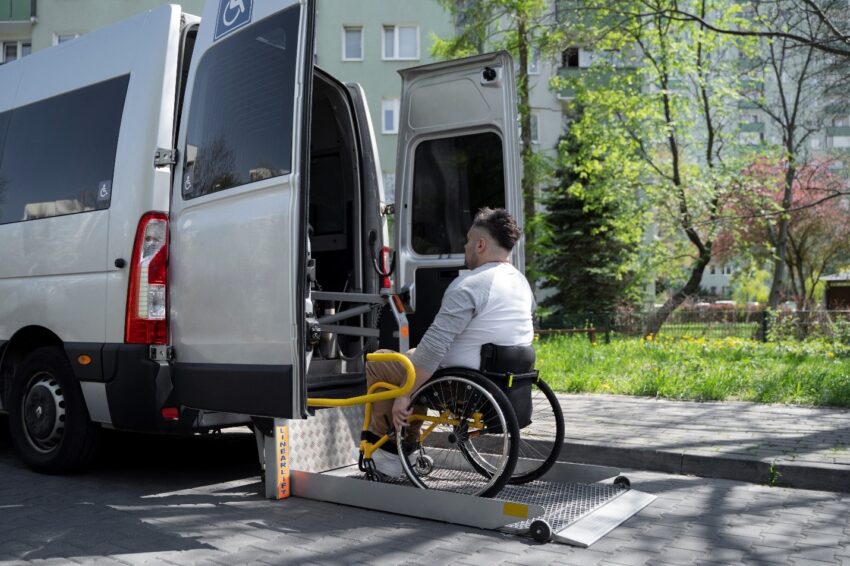
Getting to medical appointments can be a stressful task, especially if you or a loved one has mobility challenges. Standard cars and public transit are often not built to safely meet specific medical needs. Thankfully, there are dedicated transport services that fill this gap, so that everyone can get to their healthcare provider comfortably. Today, two of the most common and important options are Wheelchair Transportation Massachusetts and Medical Stretcher Transport. Knowing how these services work and who they are for can make planning your next medical trip much easier.
For many, staying well means frequent visits to the doctor, to therapy, or to dialysis centers. If you have physical restrictions that make the use of regular vehicles impossible, specialized vehicles are a must. Finding Wheelchair Transportation ensures that people who use wheelchairs can travel without having to get out of their chairs. At the same time, patients who are unable to sit upright for extended periods of time depend heavily on Medical Stretcher Transport to safely travel while lying down. These services together provide a safety net for non-emergency medical transit.
Making the Right Choice for Special Transit Service
It is necessary to select the right type of transport depending on the individual physical needs of the passenger. Both options have unique features that are designed to enhance safety, minimize physical effort, and offer peace of mind during the transportation process.
Essential Features of Wheelchair Transportation in Massachusetts
- Hydraulic Ramps and Lifts: Wheelchair Accessible Vehicles in Massachusetts have hydraulic ramps and lifts, which are advanced mechanical lifts or stable ramps. The tools allow passengers to get in and out of the vehicle easily, while sitting comfortably in their own chairs.
- Advanced Securement Systems: Safety is the first priority during transit. Wheelchairs are safely secured with specialized floor anchors and heavy-duty straps so there’s no movement while the vehicle is in motion.
- Ambulatory Support: These services are ideal for patients who can sit up but can’t climb the stairs of a conventional vehicle or endure the bumps of regular public transportation.
Features of Medical Stretcher Transport
- Gurney Accommodations: Medical Stretcher Transport vehicles are large enough to accommodate a full-sized medical gurney comfortably for patients who need to lie completely flat.
- Bed-to-Bed Care: This type of care often involves a full range of care, with trained caregivers assisting the patient from their bed to the stretcher, in the vehicle, and directly to their destination room.
- Post Surgery & Disability Support: This is a great option for those recovering from major surgeries, experiencing severe spinal problems, or for patients who feel extreme fatigue or pain while sitting up.
In terms of lining up these rides, it makes all the difference to have a trusted, experienced provider. For example, Brockton Home Health Transportation has trained drivers and specialized vehicles to meet a range of mobility needs throughout the state. When a provider is dedicated, it goes a long way in ensuring that passengers are treated with the utmost respect and dignity from the time they are picked up to the time they safely arrive at their appointment.
Coordinating seamlessly for peace of mind.
When planning a medical trip, there’s more than just the need for a vehicle: there’s a need to coordinate with care. Reliable transport companies can place a greater emphasis on punctuality and good communication, ensuring that patients don’t have to worry about any missed appointments or waiting too long for their transport after a long appointment at the doctor’s office.
The modern vehicles in use are also closely monitored to ensure that drivers use the best route to the clinic to avoid congestion and ensure the safest journeys. These specialised programmes allow families to concentrate on health and recovery, without the need to worry about transportation arrangements and logistics.
Final Thoughts
Quality healthcare should never be out of reach due to unreliable transit. Wheelchair Transportation Massachusetts is one of many options that provide freedom and safety for those who use chairs but can travel upright. Medical Stretcher Transport, in contrast, is an important lifeline for passengers who are required to stay reclined throughout the trip. Armed with this knowledge, families can easily make non-emergency trips to any medical facility without stress. The right transit service is an investment in a smooth and comfortable ride, with the patient’s well-being as the top priority at every step of the journey.
FAQs
- Who qualifies for wheelchair transportation services?
Ans. Anyone who relies on a manual or motorized wheelchair for mobility and cannot safely transfer into a standard passenger vehicle can utilize this service.
- Can a family member ride along with the patient?
Ans. Yes, most non-emergency transport providers allow one family member or caregiver to ride along with the passenger free of charge, though it is best to confirm when booking.
- Are the drivers trained to handle medical equipment?
Ans. Drivers are thoroughly trained and certified in safe passenger defense driving, proper equipment securement, and basic first aid to ensure a secure journey.
- What types of vehicles are used for wheelchair transit?
Ans. Providers use specially modified vans or cutaway buses equipped with extended roofs, side or rear doors, and mechanical wheelchair lifts.
- Is bed-to-bed service included in stretcher transportation?
Ans. Yes, professional drivers and attendants typically provide bed-to-bed care, assisting the patient from their home bed all the way to the clinic table.