

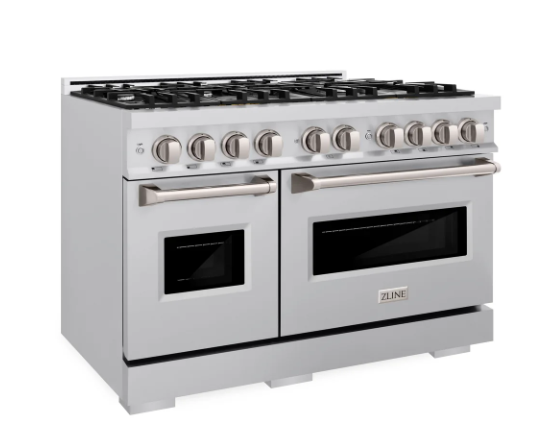
The range is the workhorse of many kitchens, and its finish affects how it looks, cleans, and ages. Stainless steel is a familiar choice because it suits many kitchen styles and stands up to daily use. If you are shopping for stainless steel gas ranges, it helps to understand burner types, sizing, safety needs, and upkeep before comparing models. This guide covers the main points in plain terms so you can shop with confidence.
Why Stainless Steel Is So Popular
Stainless steel is an iron alloy that contains chromium, which forms a thin protective layer on the surface and helps resist rust and staining. It tolerates heat, wipes clean easily, and does not chip the way some coated finishes can. Its neutral tone also blends with cabinets and other appliances. Grades and thickness vary between products, and some finishes show fingerprints more than others. If possible, look at the surface in person, and ask whether a fingerprint-resistant finish is available.
Burners and Cooking Performance
Gas cooking appeals to many people because the flame gives instant, visible control. Burner output is measured in BTUs, and a higher number generally means faster boiling and searing. A low-output burner is useful for simmering sauces or melting chocolate without scorching. Many ranges combine several burner strengths on one cooktop. Cast iron grates are sturdy and support heavy pots, while sealed burners are usually easier to wipe clean than open designs. Check the oven as well, including capacity in cubic feet and whether it offers convection, which circulates hot air for more even results.
Features Worth Comparing
When browsing stainless steel gas ranges for sale, look beyond the finish. Compare grate design, the number and strength of burners, oven racks, timers, and cleaning options such as self-clean cycles. Check the control knobs, since sturdy, well-marked controls are easier to use every day. Read the warranty terms, and ask what is covered and for how long. It also helps to learn whether authorized service is available in your area, because a great appliance is less appealing if repairs are difficult to arrange.
Installation and Safety
Gas appliances must be installed correctly. Hire a licensed professional to connect the gas line and check for leaks, and follow local codes. Ventilation matters as well, since cooking produces moisture, grease, and combustion byproducts. A properly sized hood that vents outdoors helps keep the air cleaner. Most ranges come with an anti-tip bracket, which should be installed to prevent the unit from tipping when the oven door is loaded. Before you choose among stainless steel gas ranges, confirm the required clearances to cabinets and walls in the installation manual. If you ever smell gas, leave the area immediately and call your gas provider or emergency services from a safe distance. A carbon monoxide detector in the home is also a smart precaution.
Cleaning and Care
Stainless steel looks best with regular, gentle cleaning. Wipe surfaces with a soft cloth, warm water, and mild dish soap, moving along the grain of the metal to avoid dulling the finish. Avoid steel wool, harsh abrasives, and chlorine bleach, which can scratch or damage the surface. Clean spills quickly, since baked-on residue is harder to remove. Lift off grates and burner caps and wash them according to the manual, and dry all parts fully before putting them back. A quick wipe after cooking keeps the range looking new and prevents buildup around the burners.
Conclusion
Choosing a range is easier when you match features to how you actually cook. Measure your space, confirm your fuel type, compare burner power and oven features, and plan for safe installation and regular cleaning. If you want to explore available models, check Smart Home Luxury and compare the options against your kitchen needs. With careful research, your new range can serve your household well for years.