
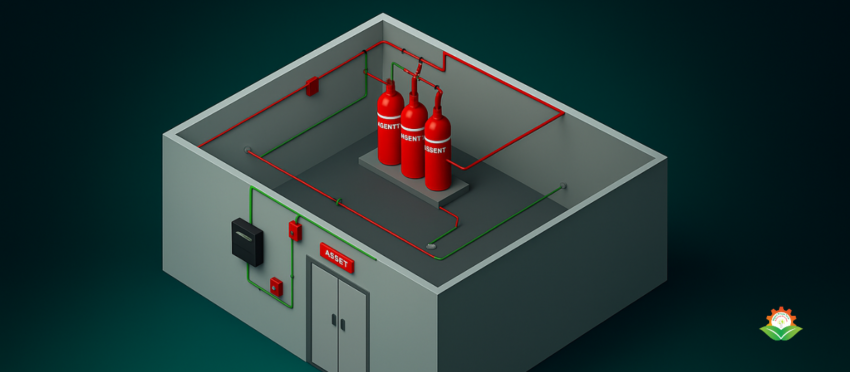
Manufacturing in India is booming, with factories churning out everything from electronics to auto parts. But alongside growth comes the constant worry of fires sparked by machines, chemicals, or electrical faults. AI is changing how we handle fire suppression, making it smarter and faster. A modern fire suppression system powered by AI spots dangers early and acts before things get out of hand. This blog looks at how this evolution is unfolding, especially for Indian manufacturers looking to stay safe and efficient.
From Basic Alarms to AI Brains
Years ago, fire safety meant simple smoke detectors and manual sprinklers—good enough for small workshops but risky in big plants. You’d hear a bell, grab extinguishers, and hope for the best. Today, AI flips the script. Cameras and sensors feed live data to smart software that learns patterns, like a machine running hot before sparking.
In Indian factories, where shifts run long and dust builds up, AI watches 24/7. It predicts issues—say, overheating in a conveyor belt—flagging them hours ahead. No more waiting for smoke; prevention kicks in first. This shift saves lives and keeps production lines moving, a big deal in competitive markets like Ghaziabad’s industrial hubs.
How AI Powers Smarter Fire Suppression
AI works like an extra set of eyes. Tiny cameras scan work floors, spotting flickers of flame or rising heat invisible to humans. Software crunches this with past data, deciding if it’s a real threat or just steam from a boiler. If yes, it triggers the fire suppression system—releasing gas in one corner while shutting doors elsewhere.
Alerts hit managers’ phones instantly, with video clips showing exactly where to send help. In server-like setups within factories, this precision mirrors data centre protections, isolating problems without halting the whole site. For manufacturers handling paints or oils, AI learns from near-misses, tweaking responses over time.
India’s push for smart factories makes this timely—AI integrates with existing machines, upgrading safety without massive overhauls.
Key AI Trends Shaping Manufacturing Safety
One hot trend is predictive watching. AI tracks equipment vibes and temps, warning of wear that could ignite. Factories cut unplanned stops by spotting faults early. Another is self-adjusting systems—AI fine-tunes agent amounts based on room size or wind from fans, ensuring no waste.
Voice alerts and chatbots guide workers during chaos, saying “Evacuate east wing” clearly. Drones with AI cameras patrol outdoor storage, hard to cover otherwise. In 2026 India, expect more wireless sensors—cheap, easy to move as lines change. Green AI focuses on eco-agents, aligning with sustainability drives.
These trends promise 30-50% faster responses, slashing damage in fast-spreading factory fires.
Real Benefits for Indian Manufacturers
Cost savings top the list. AI nips small issues, avoiding lakh-roti losses from shutdowns. Insurance drops as data proves low risk—logs show every alert handled smoothly. Workers stay productive, not huddled in drills.
Compliance eases, too. Local rules demand regular checks; AI automates reports, impressing inspectors. In Uttar Pradesh plants or Tamil Nadu hubs, this builds trust with global clients wanting safe partners.
Environmentally, precise releases mean less chemical use. Scalability fits small workshops to mega-factories, levelling the field.
Challenges and Simple Fixes
AI sounds perfect, but power glitches worry some—backup batteries solve that. Data overload? Start small, with key zones like electrical rooms. Training matters—short sessions teach staff to trust alerts.
Upfront costs? Grants for green tech help, and ROI hits quick. Indian firms partner locally for affordable setups, customised for humid or dusty conditions.
Early adopters tweak as they go, sharing tips in industry groups.
Steps to Bring AI into Your Factory
Assess first—walk your floor, note hot spots. Pick starter kits with cameras and basic AI software. Link to current alarms for smooth start.
Test weekly: fake sparks, check speeds. Train teams on apps. Scale up—add zones yearly. Local experts handle installs, often with trials.
Budget wisely: sensors cheapen fast. Track savings from day one.
Success Stories from the Ground
A Delhi auto parts maker added AI eyes to welding bays—caught a faulty torch, preventing shutdown. Production held, bonuses paid. A textile mill in Coimbatore used predictive AI—fixed a dryer flaw overnight, dodging weekend fire.
These factories now lead bids, safety their edge. Stories spread, pulling others in.
Looking Ahead: AI’s Next Leap
By 2027, AI will blend with robots for patrols and VR training. India’s manufacturing vision—Make in India—leans on this for world-class safety.
Fully connected plants talk machine-to-AI, halting lines pre-risk. Costs drop further, adoption soars.
Why Manufacturers Should Jump In Now
Fires don’t pause for growth. AI fire suppression future-proofs operations, blending safety with speed.