
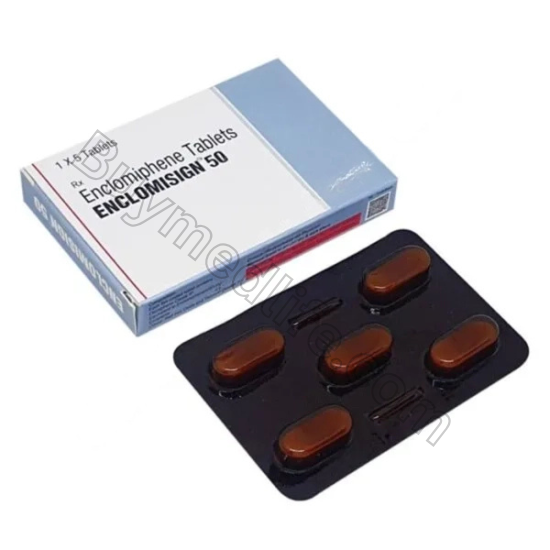
Enclomiphene has gained attention in recent years as a hormone-modulating medication, primarily used in men to boost testosterone levels. However, a growing number of women are becoming curious about its potential benefits for female hormone balance and fertility. This raises an important question: Can women safely take Enclomiphene 50 mg? In this expert guide, we’ll break down what you need to know in a clear and practical way.
What Is Enclomiphene?
Enclomiphene is a selective estrogen receptor modulator (SERM). It works by stimulating the body’s natural hormone production, particularly by increasing luteinizing hormone (LH) and follicle-stimulating hormone (FSH). These hormones play a crucial role in reproductive health.
While enclomising is closely related to clomiphene (commonly used in female fertility treatments), it is not as widely approved or studied for use in women. This distinction is important when considering its safety and effectiveness.
Can Women Take Enclomiphene 50 mg?
Technically, women can take Enclomiphene, but it is not commonly prescribed for them. Most clinical research and usage guidelines focus on men. For women, doctors typically rely on better-studied alternatives like clomiphene citrate when addressing fertility issues.
That said, some healthcare providers may consider Enclomiphene in specific cases, especially where hormonal imbalance is a concern. However, this is usually done under strict medical supervision.
Potential Benefits for Women
Although research is limited, there are a few theoretical benefits of Enclomiphene for women:
1. Hormonal Balance
Enclomiphene may help regulate estrogen levels by influencing hormone signaling pathways. This could be beneficial for women experiencing irregular cycles due to hormonal imbalances.
2. Ovulation Support
Since it stimulates LH and FSH, Enclomiphene may promote ovulation, which is essential for conception. This is why it is sometimes compared to traditional fertility medications.
3. Alternative to Clomiphene
Some experts believe Enclomiphene may offer fewer estrogen-related side effects compared to clomiphene, though more research is needed to confirm this in women.
Risks and Side Effects
Before considering Enclomiphene 50 mg, it’s important to understand the potential risks:
-
Hormonal fluctuations: Can lead to mood swings, headaches, or irregular periods
-
Ovarian overstimulation: Though rare, it may occur if hormone levels rise too much
-
Limited research in women: Lack of long-term safety data is a major concern
-
Off-label use: It is not officially approved for female use in many regions
Because of these risks, self-medication is strongly discouraged.
Proper Dosage and Medical Guidance
The 50 mg dosage is commonly discussed, but there is no standardized dosing guideline for women. What works for one person may not be safe for another.
A qualified healthcare provider will typically:
-
Evaluate your hormone levels
-
Review your medical history
-
Monitor your response closely
If you are exploring options through platforms like buymedlife, it’s still essential to consult a doctor before starting any medication. Online availability does not replace professional medical advice.
Who Should Avoid Enclomiphene?
Women with the following conditions should avoid using Enclomiphene unless specifically advised by a doctor:
-
Pregnancy or breastfeeding
-
Hormone-sensitive conditions
-
Liver disorders
-
Unexplained vaginal bleeding
Safety should always come first, especially when dealing with hormone-related treatments.
Expert Takeaway
While Enclomiphene 50 mg shows promise in hormone regulation, its use in women remains limited and not well-established. There are safer, more researched options available for female fertility and hormonal health.
If you’re considering Enclomiphene, think of it as a special-case treatment rather than a standard solution. The key is working closely with a healthcare professional who understands your individual needs.
Final Thoughts
So, can women take Enclomiphene 50 mg? The answer is yes—but with caution. It is not a first-line treatment for women, and its use should always be guided by medical expertise.
For those researching options through trusted sources like buymedlife, the most important step is pairing access with proper guidance. Your health is too important to rely on guesswork.
If you’re dealing with fertility challenges or hormonal imbalance, start with a conversation with your doctor. That’s the safest and most effective way forward.