
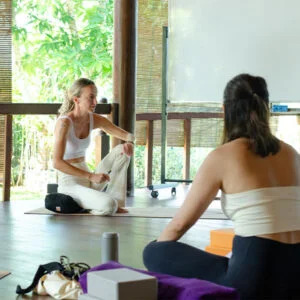
Scrolling through dozens of yoga training programs, they start to blur together — same stock photos, same “life-changing” language, same 200-hour price tag. But the actual experience you’ll have varies enormously depending on what’s underneath that marketing. Here’s a practical framework for telling them apart.
Start With What You Actually Want to Teach
Before comparing top yoga training programs, get honest about your goal. Are you training to:
- Teach general public classes at a studio?
- Deepen your personal practice with no teaching ambition?
- Specialize in a therapeutic or restorative niche?
- Eventually run retreats or your own school?
Each answer points toward a different program length and style. A 50-hour specialty course serves a very different purpose than a full 200-hour certification.
The Non-Negotiables Across Any Program
Regardless of style or location, the top yoga training programs share certain baseline standards:
| Factor | Why It Matters |
|---|---|
| Yoga Alliance accreditation | International recognition — without it, your certificate may not transfer to studio hiring standards |
| Small class sizes | Direct feedback on your teaching, not just group demonstration |
| Real teaching hours | You need to have actually taught, not just observed, before graduating |
| Qualified lead teachers | Look for verifiable experience, not just charisma |
| Post-training support | Mentorship after certification is often what separates confident new teachers from those who never actually start teaching |
Questions to Ask Before Enrolling
A rushed decision is the most common regret among new teachers. Before signing up for any of the yoga training programs on your shortlist, ask:
- What’s the student-to-teacher ratio?
- How many hours are dedicated to actual teaching practice, versus just personal asana?
- Is philosophy and anatomy taught in depth, or treated as a checkbox?
- What happens if I need medical support during an intensive residential course?
- Do graduates get any ongoing mentorship or community after the program ends?
Why Style Breadth Matters More Than You’d Think
Many top yoga training programs specialize in a single style — which can be limiting once you’re actually job-hunting or building a private client base. A program that blends multiple approaches (strength-based flow alongside slower, stillness-focused practice) produces teachers who can confidently lead a wider variety of classes, which matters enormously in a competitive teaching market.
Red Flags Worth Watching For
- Certification promised in an unrealistically short number of days
- No mention of Yoga Alliance or any accrediting body
- Marketing heavy on “transformation,” light on actual curriculum details
- No visible teacher bios or verifiable experience
- Testimonials that only mention the vacation, never the teaching skills gained
Final Thoughts
The gap between mediocre and excellent yoga training programs rarely shows up in the brochure — it shows up in the curriculum depth, the teaching practice hours, and the support you get after you graduate. Take the time to actually compare programs against these standards rather than choosing based on location photos alone, and you’ll walk away not just certified, but genuinely ready to teach.