

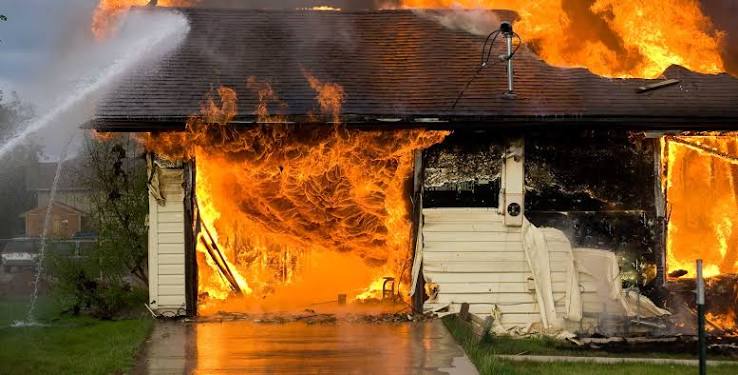
A fire can tear through a home or business in minutes. But here’s what catches many people off guard: the damage doesn’t stop when the flames go out. Smoke keeps staining, soot keeps settling, and the water used to fight the fire creates its own set of problems. Getting a property back to normal takes planning, skilled cleaning, and real repair work — not just a fresh coat of paint.
Understanding how the restoration process works helps you know what to expect and where to start.
What Fire Damage Repair Actually Involves
At its core, fire damage repair means assessing what the fire touched, cleaning what’s salvageable, tearing out what isn’t, and rebuilding. Depending on how bad things are, that could mean anything from scrubbing smoke stains off a kitchen wall to replacing drywall, flooring, wiring, and structural elements.
A small kitchen flare-up might only need deep cleaning and repainting. A larger fire? You’re looking at walls, ceilings, insulation, electrical systems — the works. That’s why a professional assessment matters: some of the worst damage isn’t visible to the naked eye.
The Different Ways Fire Damages a Property
Fire doesn’t just burn. It leaves its mark in several distinct ways, and each one needs a different approach.
Flame damage is the obvious one — charred furniture, burned flooring, compromised framing. High heat can also weaken structural components even if they never actually caught fire, so don’t assume something is safe just because it’s still standing.
Smoke damage travels. It drifts far beyond the room where the fire started, discoloring walls and ceilings and sinking into porous materials like carpets, curtains, and upholstery.
Soot is the greasy residue left behind by incomplete combustion, and it’s stubborn. Wipe it the wrong way and you’ll smear it deeper into the surface.
Water damage often gets overlooked. Firefighters use a lot of water, and that water soaks into floors, walls, and insulation. Skip the drying step, and you’re inviting mold.
Why Speed Matters
The longer you wait, the worse it gets. Soot stains set in. Smoke odors dig deeper into fabrics and become much harder to remove. Moisture trapped in walls turns into mold, sometimes within days.
Quick action also saves money. Belongings that could have been cleaned may end up needing full replacement if they’re left sitting in residue and humidity.
Once emergency officials give the all-clear to enter, your next call should be to a qualified restoration professional.
The Restoration Process, Step by Step
1. Inspect and assess. Restoration professionals examine everything — walls, ceilings, roofing, electrical, plumbing, structural elements — and look for hidden damage behind surfaces and above ceilings. This inspection shapes the restoration plan and creates documentation for your insurance claim.
2. Secure the property. Broken windows get boarded up, damaged doors secured, roof openings covered. If there’s any sign of structural damage, stay out until professionals say otherwise. No belongings are worth the risk.
3. Remove debris and clean soot. Once the site is safe, damaged materials come out and the soot cleanup begins. This isn’t one-size-fits-all — painted walls, wood, metal, stone, and fabric each need their own treatment. Items that can’t be safely restored are discarded.
4. Eliminate smoke odors. Odors linger long after the visible residue is gone, because smoke particles penetrate deep into porous materials. Professionals use HEPA filtration, air scrubbers, and specialized odor treatments. The goal is to remove the source of the smell — not mask it with air fresheners that wear off by morning.
5. Deal with the water. Extraction equipment, air movers, and dehumidifiers dry everything out, with moisture levels monitored until they’re back to normal. Any electrical components that got wet should be checked before being switched back on.
6. Repair and rebuild. Only after cleaning and drying are finished does reconstruction begin — replacing drywall, flooring, insulation, cabinets, windows, roofing, whatever the fire took. Major repairs may require permits and licensed contractors, and local building codes apply.
Choosing the Right Restoration Company
The company you hire can make the recovery process much smoother — or much more painful. Look for real fire restoration experience, trained technicians, and clear communication. A few questions worth asking:
-
What’s included in the restoration, and what isn’t?
-
How do you handle smoke and soot removal?
-
Can you deal with the water damage too?
-
Will you document everything for insurance?
-
Do you have licensed contractors for electrical or structural work?
-
What’s the realistic timeline?
Get the estimate in writing before anyone starts work.
Reducing Your Risk Going Forward
Not every fire is preventable, but the basics go a long way. Test your smoke alarms. Keep a fire extinguisher somewhere you can actually grab it. Have your heating system and wiring checked periodically. Don’t overload outlets, keep flammable materials away from heat sources, and never walk away from a hot stove.
It also helps to have an evacuation plan — one that everyone in the household has actually practiced, not just heard about once.
Final Thoughts
Recovering from a fire is never easy, but a structured process makes it manageable. Assess, secure, clean, deodorize, dry, rebuild — each step builds on the last.
With qualified professionals handling the work and a quick response on your side, it’s entirely possible to bring a damaged property back to a clean, safe, comfortable home again.