

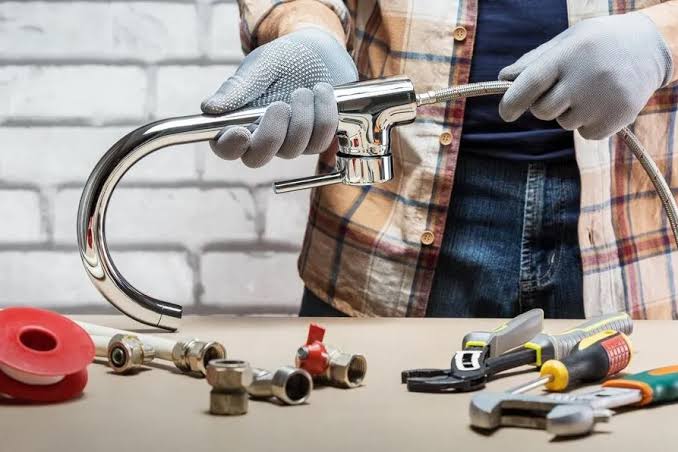
Plumbing plays an essential role in keeping a home or commercial property comfortable, sanitary, and functional. From delivering clean water to removing wastewater, a properly maintained plumbing system supports everyday activities such as cooking, bathing, cleaning, and laundry. When a pipe leaks, a drain becomes blocked, or a water heating stops working, the problem can interrupt daily routines and potentially damage the property.
Expert Plumbing Services in Huntsville AL can help property owners understand plumbing problems, identify their underlying causes, and choose appropriate repair or maintenance solutions. Knowing when a problem requires professional attention can also help prevent minor issues from becoming more complicated.
This guide explains common plumbing concerns, how plumbing systems work, which warning signs deserve attention, and what homeowners should consider when planning repairs or upgrades.
Why Is Regular Plumbing Maintenance Important?
Plumbing systems contain multiple connected components, including supply pipes, drain lines, faucets, shutoff valves, water heaters, and fixtures. A problem in one area may affect other parts of the system. For example, a partially blocked drain can cause water to drain slowly, while a concealed pipe leak can damage cabinets, flooring, insulation, or drywall.
Regular maintenance helps property owners recognize developing issues before they become major disruptions. It can also help keep fixtures working efficiently and provide an opportunity to assess the condition of aging components.
A plumbing maintenance check may include:
- Inspecting visible pipes and connections for leaks or corrosion.
- Checking faucets, toilets, and valves for unusual operation.
- Looking for slow drains or recurring blockages.
- Reviewing water heater operation and visible signs of leakage.
- Investigating unexplained increases in water consumption.
- Checking accessible plumbing areas for moisture or deterioration.
Maintenance does not eliminate every possible plumbing failure, but it can make problems easier to identify and address. The appropriate maintenance schedule depends on the property’s age, plumbing materials, water quality, fixture use, and previous repair history.
What Plumbing Problems Should Huntsville Property Owners Watch For?
Recognizing early warning signs is an important part of protecting a property’s plumbing system. Some problems are obvious, while others develop gradually behind walls, beneath sinks, or around fixtures.
1. Leaking Pipes and Plumbing Connections
Leaks can occur at pipe joints, valves, supply lines, faucets, and other connections. Some leaks produce visible drips, while others create damp areas or stains without an obvious source.
Watch for peeling paint, swollen cabinetry, musty odors, unexplained moisture, or water stains on ceilings and walls. A water meter that continues to register consumption when all known water fixtures are off may also indicate a possible leak, although irrigation systems and other water-using equipment should be considered.
A plumber can inspect the affected area, determine whether a connection needs tightening or a component needs replacement, and assess whether hidden pipe damage may be present. Avoid opening walls or cutting into ceilings without understanding the location of electrical wiring and other concealed services.
2. Slow or Frequently Clogged Drains
Kitchen and bathroom drains can become restricted by accumulated debris. Kitchen sinks commonly collect grease, food particles, and residue, while bathroom drains may collect hair, soap deposits, and personal-care products.
A slow drain may have a localized blockage, but recurring problems can indicate a deeper restriction in the drainage line. If several fixtures drain slowly at the same time, the issue may involve a shared drain or the main sewer line.
Professional drain cleaning can help remove suitable types of blockages and identify recurring causes. Avoid repeatedly pouring chemical drain cleaners into a stubborn blockage, as some products can damage plumbing components or create hazards when mixed with other chemicals.
3. Low or Inconsistent Water Pressure
Weak water flow can make showers, dishwashing, and other household activities frustrating. Possible causes include clogged faucet aerators, partially closed valves, leaking pipes, pressure-regulating equipment problems, or restrictions in the supply system.
If only one faucet has low pressure, the cause may be limited to that fixture. If several fixtures experience the same problem, a broader plumbing or water-supply issue may be involved.
A professional assessment can help distinguish between a fixture problem and a system-wide concern. Avoid adjusting pressure-control equipment without understanding the manufacturer’s specifications and the property’s plumbing requirements.
4. Running Toilets and Leaking Fixtures
A toilet that continues running after flushing can waste water and increase utility costs. Common causes include worn flappers, faulty fill valves, improperly adjusted components, or problems with the flush mechanism.
Dripping faucets and leaking showerheads can also waste water over time. Although these issues may seem minor, repeated dripping or continuous toilet flow deserves attention.
Depending on the condition of the fixture, the solution may involve replacing a small internal component, repairing a connection, or installing a new fixture when repair is no longer practical.
How Can Professional Leak Detection Help Protect a Property?
Not every plumbing leak is visible. Supply pipes may run through walls, ceilings, floors, crawl spaces, or other concealed areas. A small leak can continue for an extended period before it becomes obvious.
Possible warning signs include:
- Persistent dampness without a clear explanation.
- New water stains or bubbling paint.
- A musty smell near walls or cabinets.
- Flooring that feels unusually soft or appears warped.
- Unexplained water-meter movement.
- A recurring sound of running water when fixtures are not being used.
Professional leak detection begins with an assessment of the symptoms and accessible plumbing. Depending on the situation, a plumber may use pressure testing, moisture measurements, listening equipment, or other diagnostic methods to narrow down the source.
Finding the source is important because repairing the visible damage alone may not resolve the underlying problem. After the plumbing issue is corrected, affected building materials may require appropriate drying, inspection, or replacement.
If water is near electrical outlets, wiring, or electrical equipment, keep away from the affected area and seek qualified assistance. Do not enter a flooded space if electrical hazards may be present.
What Should You Know About Water Heater Repairs and Maintenance?
Water heaters supply hot water for showers, washing, cleaning, and other daily tasks. Traditional storage-tank units and tankless systems operate differently, but both require suitable installation and maintenance.
Common signs of a water heater problem include:
- Water that does not become sufficiently hot.
- Hot water that runs out sooner than expected.
- Unusual popping, rumbling, or other new sounds.
- Visible water around the unit or its connections.
- Rust-colored hot water or signs of corrosion.
- Repeated interruptions in hot-water supply.
Possible causes include sediment buildup, a failed heating component, thermostat issues, a damaged valve, or a problem with the fuel or electrical supply. The exact cause depends on the type and condition of the system.
A qualified plumbing professional can inspect the unit, explain whether repair is appropriate, and discuss replacement when the equipment is deteriorating or no longer meets the property’s needs. Maintenance requirements should follow the manufacturer’s instructions and account for local water conditions.
Water heaters can involve electricity, gas, hot water, pressure, and combustion hazards. Do not remove safety components, open electrical compartments, or attempt gas-line repairs yourself. If you smell gas, leave the area without operating electrical switches and contact the appropriate emergency or gas service from a safe location.
When Do Plumbing Pipes Need Repair or Replacement?
Pipes can deteriorate because of age, corrosion, physical damage, poor connections, excessive pressure, or unsuitable installation. Homeowners seeking Expert Plumbing Services in Huntsville AL can arrange a professional assessment to identify the cause of pipe damage and determine the most appropriate solution. The decision depends on the material, location, severity of the damage, and condition of the surrounding plumbing.
A localized leak may require a targeted repair. Widespread corrosion, repeated failures, or extensive deterioration may justify a broader evaluation of the piping system.
When considering pipe repair or replacement, property owners should ask:
- What caused the pipe to fail?
- Is the damage limited to one section or present in multiple areas?
- Are the existing materials suitable for continued use?
- Will the proposed repair meet applicable plumbing requirements?
- Could replacing a larger section reduce the likelihood of recurring failures?
- What access work, restoration, or follow-up inspection may be needed?
A professional assessment can help compare the practical costs and benefits of repair versus replacement. The least expensive immediate option is not always the most suitable long-term solution, particularly when similar failures have occurred repeatedly.
Why Should Sewer Line Problems Be Addressed Promptly?
Sewer lines carry wastewater away from a property. A blockage, damaged pipe, or other drainage failure can affect multiple fixtures and create unpleasant or unsanitary conditions.
Warning signs may include several drains backing up together, gurgling sounds, wastewater returning through a floor drain, or persistent sewer odors. Outdoor areas with unexplained wet patches may also deserve investigation, although other causes are possible.
Tree roots, accumulated debris, pipe deterioration, ground movement, and damaged connections can contribute to sewer problems. A plumber may use specialized drain equipment or a sewer camera inspection to investigate the line before recommending a repair.
If sewage backs up into a home, keep children and pets away from the affected area and avoid direct contact. Sewage can contain harmful microorganisms, and cleanup may require appropriate protective equipment and sanitation procedures. A qualified professional can help determine whether plumbing repairs and specialized cleanup are necessary.
How Can Plumbing Maintenance Support Water Efficiency?
Efficient plumbing can help reduce unnecessary water consumption without compromising normal household use. Small problems such as running toilets, leaking faucets, and damaged supply lines can waste water if left uncorrected.
Property owners can support water efficiency by:
- Repairing leaking faucets and toilet components.
- Choosing fixtures designed for appropriate water efficiency.
- Avoiding the disposal of grease and unsuitable materials in drains.
- Monitoring water use for unexplained changes.
- Using appliances according to manufacturer recommendations.
- Scheduling inspections when plumbing performance changes.
- Considering water-saving upgrades when replacing older fixtures.
Water efficiency depends on the entire system, not simply the type of fixture installed. A new faucet will not resolve a concealed leak, and a water-saving fixture will not correct an underlying drainage problem. A balanced approach considers condition, performance, usage, and maintenance.
What Should You Do During a Plumbing Emergency?
Some plumbing problems require immediate action because they can cause significant water damage, interrupt essential services, or create health and safety risks.
Examples include a burst supply pipe, rapidly spreading water, a major sewer backup, or a water heater leaking heavily.
If a pipe is leaking and it is safe to reach the relevant valve, shut off the water supply. If you cannot identify the correct valve or the leak continues, contact a plumbing professional for guidance. Avoid entering flooded areas where electrical hazards may exist.
For a plumbing emergency, consider these steps:
- Protect people first. Keep occupants away from unsafe or contaminated areas.
- Stop the water if safe. Use the appropriate shutoff valve only if it can be reached without risk.
- Avoid electrical hazards. Never touch electrical equipment while standing in water.
- Move vulnerable belongings. Relocate items only when the area is safe to enter.
- Contact qualified assistance. Describe the affected fixtures, the location of the leak, and whether water flow has stopped.
- Document the damage when safe. Photographs may help with property records or an insurance claim.
Not every plumbing problem requires emergency service, but active flooding, sewage exposure, and uncontrolled leaks should not be ignored. Prompt action can help limit further damage.
How to Choose a Plumbing Professional in Huntsville
Choosing a plumbing provider involves more than comparing the first price quoted. Property owners should look for a clear explanation of the problem, an appropriate scope of work, and communication about the repair process.
Consider the following factors when evaluating a plumbing professional:
Relevant experience: Ask whether the provider regularly handles the type of issue involved, such as leak detection, drain cleaning, water heater repair, or pipe replacement.
Licensing and compliance: Verify applicable Alabama licensing requirements and whether the proposed work requires a permit. Requirements can vary by project and property.
Written estimates: Request an explanation of the work, expected charges, parts, possible additional costs, and any inspection fees before authorizing service.
Repair options: A professional should explain suitable alternatives when more than one solution is available, including the limitations of each option.
Communication: Clear updates about scheduling, access requirements, and unexpected findings can make the process easier to manage.
Workmanship terms: Ask whether parts and labor are covered by any warranty and request the relevant terms in writing.
Emergency availability: If rapid assistance is important, confirm the provider’s actual service hours and emergency response arrangements instead of assuming round-the-clock availability.
A careful selection process helps property owners make informed decisions and understand what to expect before work begins.
What Can Homeowners Do to Prevent Common Plumbing Problems?
Although some plumbing failures happen without warning, consistent household habits can reduce avoidable strain on fixtures and drains.
Do not pour cooking grease into kitchen sinks. Allow it to cool and dispose of it according to local waste guidance. Use suitable drain screens where appropriate, and avoid flushing wipes or other products that are not designed to break down in plumbing systems.
Learn where accessible water shutoff valves are located. Check under sinks periodically for moisture, and pay attention to changes in water pressure, drainage speed, or water-heater performance. During periods of freezing weather, follow local guidance for protecting exposed pipes and outdoor faucets.
Homeowners should not attempt complex plumbing work simply because a problem appears small. Work involving gas lines, concealed piping, sewer connections, water heaters, or significant water damage may require specialized skills and safety precautions.
Preventive care works best when routine observation is combined with professional evaluation of issues that cannot be safely or accurately diagnosed without suitable tools.
Conclusion
A dependable plumbing system supports everyday comfort, sanitation, water efficiency, and property protection. Leaking pipes, slow drains, water heater problems, sewer backups, and inconsistent water pressure can all indicate that a component needs attention.
Expert Plumbing Services in Huntsville AL can help property owners investigate these concerns, understand the available repair options, and plan appropriate maintenance. By recognizing warning signs early, practicing sensible water-use habits, and choosing qualified professionals, homeowners can make better decisions about the long-term condition of their plumbing systems.
The most effective approach is to address developing problems before they cause greater disruption, while treating uncontrolled leaks, sewage exposure, and electrical hazards as urgent safety concerns.
Frequently Asked Questions
1. What plumbing problems require professional attention?
Persistent leaks, recurring drain blockages, low water pressure throughout a property, water heater failures, sewer backups, and unexplained water damage may require a professional inspection. Active flooding and sewage backups need prompt attention.
2. How can I tell whether a hidden pipe is leaking?
Possible signs include damp walls, water stains, warped flooring, musty odors, and unexplained water consumption. These symptoms can have other causes, so a qualified plumber may need to investigate before confirming a leak.
3. Why does my drain keep getting clogged?
Repeated clogs may result from grease, hair, soap residue, unsuitable items, or a deeper restriction in the drain line. If cleaning the drain does not solve the problem or multiple fixtures are affected, further diagnosis may be needed.
4. Should I repair or replace an old water heater?
The decision depends on the unit’s age, condition, repair history, performance, energy use, and the cost of the proposed repair. A qualified professional can inspect the system and explain the practical options.
5. How often should plumbing be inspected?
There is no single schedule that suits every property. Inspection frequency depends on the age and condition of the plumbing, previous problems, water quality, and how heavily the system is used. Address warning signs whenever they appear.
6. What should I do if a pipe bursts?
Keep away from electrical hazards, shut off the water supply if the valve is safely accessible, protect people from the affected area, and contact a qualified plumber. Do not enter standing water if electrical equipment may be affected.
7. How can I reduce the risk of plumbing emergencies?
Repair small leaks promptly, avoid putting grease and unsuitable materials down drains, monitor water bills for unexplained changes, learn the location of shutoff valves, and arrange professional help for recurring or unexplained problems.
Article Written By: Rank Business Listings