
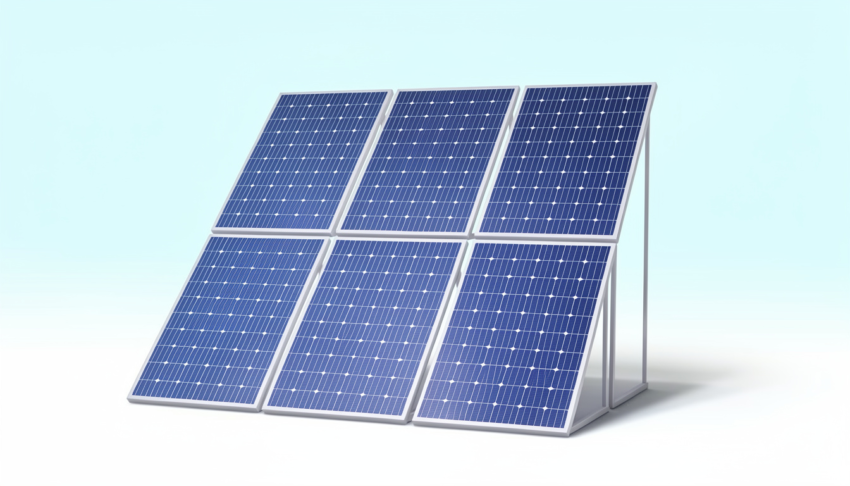
Solar for Home in Aurangabad: A Smarter Way to Power Your Home
With rising electricity expenses and increasing awareness about clean energy, homeowners are looking for dependable ways to reduce their monthly power costs. Solar for home in Aurangabad is becoming a practical choice for families who want to generate clean electricity while improving long-term energy savings.
A residential solar system uses sunlight to generate electricity for everyday household requirements. From lighting and fans to refrigerators, televisions, water pumps and other appliances, a properly designed solar system can support a wide range of home energy needs.
For homeowners considering solar for home in Aurangabad, the key is to select a system that matches the property’s electricity consumption, available rooftop space and future energy requirements.
Why Choose Solar for Home in Aurangabad?
Aurangabad receives substantial sunlight during much of the year, making rooftop solar a suitable option for residential properties. Instead of depending entirely on electricity purchased from the grid, homeowners can generate a portion of their own power.
Choosing solar for home in Aurangabad can offer several long-term advantages, including reduced electricity expenses, better energy independence and a cleaner approach to household power generation.
A professionally planned residential solar system can make better use of available rooftop space while providing consistent energy generation throughout its operating life.
Major Benefits of Solar for Home in Aurangabad
Installing a residential solar system can provide both financial and environmental benefits.
1. Lower Electricity Bills
One of the biggest reasons homeowners consider solar for home in Aurangabad is the opportunity to reduce electricity expenses. Solar panels generate electricity during daylight hours, helping meet household consumption without relying completely on grid-supplied power.
The actual savings depend on factors such as system capacity, household consumption, sunlight availability, electricity tariffs and the applicable billing arrangement.
2. Clean and Renewable Energy
Solar energy is generated from sunlight and does not require conventional fuel during electricity generation. By choosing solar for home in Aurangabad, households can contribute to cleaner energy use and reduce their dependence on conventional electricity sources.
3. Better Energy Independence
Increasing electricity costs can make household energy management challenging. A properly sized solar system allows homeowners to generate electricity at their own property and become less dependent on conventional grid power.
4. Long-Term Value
A residential solar installation is a long-term energy investment. With appropriate installation, maintenance and monitoring, solar panels can continue generating electricity for many years.
5. Increased Awareness of Sustainable Living
Solar power allows families to incorporate renewable energy into their everyday lifestyle. It is a practical step toward responsible energy consumption without significantly changing normal household routines.
How Does a Home Solar System Work?
Understanding the basic working process can help homeowners make an informed decision.
A typical rooftop solar system works through several important components:
- Solar panels capture sunlight and convert it into electricity.
- The generated electricity is produced in direct-current form.
- An inverter converts the electricity into usable alternating current for household appliances.
- The home’s electrical system distributes the generated power to appliances.
- Depending on the system configuration, excess electricity may be handled through the applicable grid or energy-storage arrangement.
The performance of solar for home in Aurangabad depends on system design, rooftop orientation, shading, panel quality, inverter efficiency and local environmental conditions.
How to Choose the Right Solar System for Your Home
Selecting the right system size is an important part of residential solar planning. Installing a system that is too small may not provide the expected energy generation, while an unnecessarily large system may increase the initial investment.
Consider these factors before selecting solar for home in Aurangabad:
Review Your Electricity Consumption
Check your recent electricity bills to understand your average monthly and annual consumption. This provides a useful starting point for estimating the required solar capacity.
Evaluate Your Rooftop
The available rooftop area should be inspected for usable space, structural suitability and potential shading. Nearby buildings, trees, water tanks and other structures can affect solar panel performance.
Consider Future Electricity Requirements
If you plan to add appliances such as air conditioners, electric vehicles, water heaters or additional equipment, consider these future requirements during system planning.
Select Suitable Equipment
Panels, inverters, mounting structures and other system components should be selected according to quality, compatibility, performance and warranty considerations.
Prioritize Professional Installation
Correct installation is essential for safety, system performance and long-term reliability. A professional installation also helps ensure appropriate positioning, wiring and mounting.
7 Things to Check Before Installing Solar for Home in Aurangabad
Homeowners should evaluate more than just the price of a solar system.
- Average household electricity consumption
- Available rooftop space
- Amount of direct sunlight received
- Solar system capacity
- Panel and inverter specifications
- Installation and maintenance requirements
- Applicable residential solar policies and billing arrangements
Considering these points can help homeowners make a more informed investment decision.
On-Grid, Off-Grid and Hybrid Solar Systems
Different homes may require different solar configurations.
On-Grid Solar System
An on-grid system is connected to the electricity grid. It can be suitable for homeowners who want to generate solar electricity while remaining connected to conventional grid power.
Off-Grid Solar System
An off-grid system operates independently of the electricity grid and generally uses batteries to store energy. It may be considered for locations where reliable grid connectivity is unavailable or limited.
Hybrid Solar System
A hybrid system combines solar generation with energy storage and grid connectivity. It can provide additional flexibility by allowing stored electricity to be used when solar generation is unavailable.
The appropriate option for solar for home in Aurangabad depends on electricity usage, budget, backup requirements and the property’s specific conditions.
Solar Installation Process for Residential Properties
A well-organized installation process can make the transition to solar easier.
Step 1: Energy Assessment
The household’s electricity consumption is reviewed to understand its energy requirements.
Step 2: Site Evaluation
The rooftop is assessed for space, sunlight exposure, shading and installation feasibility.
Step 3: System Planning
The appropriate solar capacity, panel arrangement, inverter and supporting components are determined.
Step 4: Installation
Solar panels, mounting structures, wiring and other required equipment are installed according to the planned design.
Step 5: Electrical Integration
The solar system is connected with the home’s electrical setup and the relevant grid arrangement where applicable.
Step 6: Testing and Commissioning
The system is checked to ensure that the equipment is operating correctly and safely.
Maintenance Tips for Residential Solar Panels
Solar panels generally require limited maintenance, but regular care can help maintain performance.
Keep these practices in mind:
- Keep panels reasonably clean and free from excessive dust.
- Monitor the system’s electricity generation.
- Check for visible damage or loose components.
- Keep surrounding areas clear of avoidable shading.
- Arrange professional inspections when required.
- Follow the manufacturer’s maintenance recommendations.
Regular monitoring is especially useful because a sudden drop in generation may indicate a technical or environmental issue.
Is Solar for Home in Aurangabad Worth the Investment?
For many homeowners, solar can be a worthwhile long-term energy investment. The financial benefit depends on electricity consumption, system size, installation cost, available sunlight, applicable incentives and electricity tariffs.
The best approach is to evaluate the property’s actual energy requirements instead of choosing a system based only on its initial price.
Solar for home in Aurangabad can provide value by combining electricity generation with long-term energy planning. Homeowners should compare system specifications, warranties, installation quality and expected generation before making a decision.
Why Professional Solar Planning Matters
Every home has different energy requirements and rooftop conditions. A professional assessment can help determine the appropriate system size, panel placement and equipment configuration.
For solar for home in Aurangabad, proper planning can improve system efficiency and help avoid common installation problems such as unnecessary shading, poor panel positioning, inadequate wiring or incorrect system sizing.
A reliable solar solution should focus not only on installation but also on performance, safety, service and long-term usability.
Frequently Asked Questions About Solar for Home in Aurangabad
1. Is solar for home in Aurangabad suitable for residential properties?
Yes. Residential rooftop solar can be suitable for many homes, provided the property has adequate rooftop space, suitable sunlight exposure and an appropriate electrical setup.
2. How much solar capacity does a home need?
The required capacity depends on household electricity consumption, rooftop availability, sunlight conditions and future energy requirements. Reviewing recent electricity bills is a good starting point.
3. Can solar reduce my monthly electricity bill?
Yes. Solar generation can reduce the amount of electricity a household needs to purchase from the grid. Actual savings depend on system size, consumption and the applicable electricity billing arrangement.
4. Does a solar system work during cloudy weather?
Solar panels can still generate electricity during cloudy conditions, although generation is generally lower than during strong sunlight.
5. How long can residential solar panels last?
Quality solar panels are designed for long-term operation. Their actual service life and performance depend on product quality, environmental conditions, installation and maintenance.
6. Is rooftop space important for solar installation?
Yes. Available rooftop area affects the number and arrangement of panels that can be installed. Shading and roof orientation should also be evaluated.
7. Should homeowners choose on-grid or hybrid solar?
The right option depends on the home’s electricity requirements, backup expectations, grid availability and budget. A professional assessment can help determine the most suitable configuration.
8. Does residential solar require regular maintenance?
Solar systems generally require limited maintenance. Cleaning, monitoring and periodic inspection can help maintain reliable performance.
Final Thoughts
Solar for home in Aurangabad offers homeowners an opportunity to generate renewable electricity, manage energy expenses and move toward a more sustainable household energy model. With proper system sizing, suitable equipment, professional installation and regular monitoring, residential solar can become a valuable long-term energy solution.
Before investing, homeowners should evaluate their electricity consumption, rooftop conditions, future power requirements and available solar options. Choosing the right system based on actual household needs is the foundation of a reliable and efficient residential solar installation.