
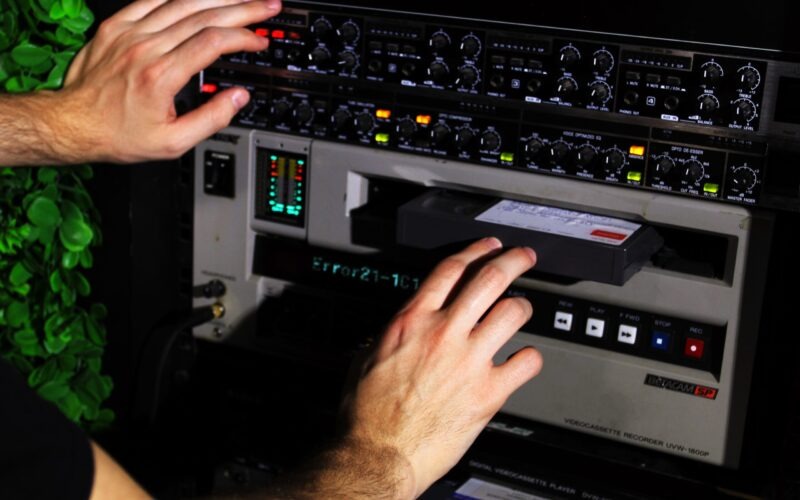
Old videotapes often contain important memories. Over time, however, magnetic tape can deteriorate due to age, moisture, dust, and repeated playback. This is why video tape digitisation has become increasingly important for people wanting to preserve ageing recordings before they become damaged or unplayable.
During the process of tape to digital conversion, older analogue recordings are transferred into digital file formats that can be viewed, stored, copied, and shared more easily on modern devices. While the process may seem straightforward from the outside, several technical stages are usually involved to help protect recording quality during the transfer.
Why Older Tapes Deteriorate Over Time
Magnetic videotapes are sensitive to environmental conditions and physical wear. Even when tapes are stored carefully, the internal magnetic layer can weaken as years pass.
Common problems seen in ageing tapes include:
- Distorted playback quality
- Flickering or unstable images
- Audio dropouts
- Tape stretching or damage
- Mould or dust contamination
Some older tape formats may also become difficult to play because compatible playback equipment is no longer widely available.

The First Stage: Tape Inspection
Before digitisation begins, tapes are usually inspected to identify visible damage or playback risks. This stage helps determine whether the tape can be transferred safely without causing further deterioration.
The inspection process may involve:
- Checking the tape casing for cracks or damage
- Looking for mould, dust, or moisture exposure
- Assessing tape condition and age
- Identifying the recording format
- Testing playback stability if required
This step is important because damaged tapes can sometimes affect playback equipment or reduce transfer quality.
Preparing the Tape For Playback
Once the tape is assessed, it may need cleaning or preparation before playback begins. Dust, loose particles, or tape tension problems can interfere with the transfer process.
Older tapes may also require specialist playback machines because many legacy formats are no longer compatible with modern media systems. Correct playback speed and tracking are important for achieving stable video and audio output during digitisation.
How the Conversion Process Works
During digitisation, the analogue signal from the videotape is captured and converted into a digital file through specialised transfer equipment and recording software.
The process generally includes:
- Playing the original videotape
- Capturing the video and audio signal
- Converting analogue content into a digital format
- Monitoring image and sound quality during transfer
- Saving the final recording into a digital file type
Depending on the project, files may be saved onto USB drives, external hard drives, cloud storage, or other digital media formats.
File Formats and Storage Options
After conversion, the recording can usually be stored in commonly used digital formats suitable for viewing on computers, televisions, and mobile devices.
Storage options may vary depending on:
- File size requirements
- Playback compatibility
- Long-term archiving needs
- Editing or sharing requirements
Digital files are generally easier to duplicate and back up compared to fragile physical tapes.
Video tape digitisation helps preserve important recordings by converting ageing analogue tapes into more stable digital formats. From inspection and playback preparation through to digital file creation, the process is designed to reduce the risk of losing valuable footage over time.
If you have older tapes stored at home or in business archives, consider speaking with a professional digitisation provider before further tape deterioration affects playback quality.