
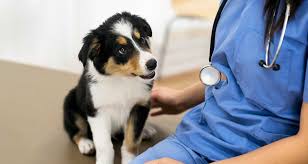
Desexing is one of the most significant routine surgical procedures a dog owner will arrange for their pet. Beyond preventing unwanted litters, desexing eliminates the risk of life-threatening uterine infections such as pyometra and substantially reduces the incidence of mammary tumors.
When scheduling a female dog desexing procedure, pet owners generally choose between two primary surgical methods: traditional open desexing (an ovariohysterectomy or open ovariectomy) and laparoscopic keyhole desexing (minimally invasive ovariectomy). Understanding how these surgical approaches work, their distinct advantages, and their recovery requirements helps owners make an informed choice for their pet.
Understanding Traditional Open Desexing
Traditional open desexing has been the gold standard in veterinary medicine for decades. It is widely available across community veterinary clinics, animal shelters, and regional hospitals.
Surgical Technique
During a traditional open spay, the veterinarian makes a single midline incision along the abdomen. The size of this incision varies based on the dog’s physical size, weight, and abdominal fat depth, typically ranging from 4 cm to over 10 cm in large or deep-chested breeds.
Once the abdominal cavity is opened, the surgeon manually locates the reproductive tract. To excise the organs, the surgeon applies tension to the ovarian ligament, stretching or tearing it to bring the ovaries and uterus outside the body wall. In a standard ovariohysterectomy, both the ovaries and the complete uterus are tied off with surgical sutures and removed. The abdominal wall, subcutaneous tissue, and skin are then closed using multiple layers of sutures.
Key Characteristics
-
Tissue Manipulation: Requires physical traction on the ovarian ligament to elevate reproductive organs through the incision.
-
Organ Removal: Usually involves removing both ovaries and the entire uterus (ovariohysterectomy).
-
Incision Profile: One longer midline abdominal incision.
Understanding Laparoscopic Keyhole Desexing
Laparoscopic desexing is a modern, minimally invasive surgical technique adapted from human medicine. It requires specialized equipment, keyhole surgical towers, specialized camera systems, and specific veterinary training.
Surgical Technique
Instead of a large single opening, laparoscopic desexing uses two or three tiny keyhole ports, each measuring approximately 0.5 cm to 1 cm.
-
Infiltration: The surgeon inflates the abdominal cavity with medical-grade carbon dioxide gas to create working space and clear visualization.
-
Visualization: A high-definition camera (laparoscope) is inserted through the first keyhole port, magnifying internal organs onto a monitor.
-
Excision: Specialized surgical instruments and vessel-sealing devices are inserted through the secondary ports.
-
Resection: The surgeon cauterizes and severs the ovarian blood vessels inside the abdomen without pulling on internal ligaments.
In laparoscopic desexing, only the ovaries are removed (ovariectomy). Leaving the healthy uterus inside the body is entirely safe once the ovaries are removed, as ovarian hormones are required to drive uterine disease. The tiny port sites are then sealed with internal dissolvable sutures and surgical tissue glue.
Direct Comparison: Key Differences
| Feature | Traditional Open Spay | Laparoscopic Keyhole Desexing |
| Incision Size | Single large incision (4 to 10+ cm) | 2 to 3 keyhole incisions (0.5 to 1 cm each) |
| Organs Removed | Ovaries and uterus (Ovariohysterectomy) | Ovaries only (Ovariectomy) |
| Ligament Tension | High traction/stretching required | Minimal to no manual traction |
| Post-Operative Pain | Moderate; requires strict multi-day analgesia | Lower reported surgical pain scores |
| Strict Rest Period | 10 to 14 days of strict confinement | 3 to 5 days of modified restriction |
| Equipment & Cost | Standard surgical instruments; standard cost | Advanced optical equipment; premium cost |
| Suitability | Suitable for all patients and clinical settings | Ideal for medium to giant breeds, active dogs, and deep-chested breeds |
Detailed Benefits of Laparoscopic Keyhole Desexing
Reduced Post-Operative Pain
The primary advantage of keyhole desexing is reduced surgical trauma. Tearing or stretching the ovarian suspensory ligament in open surgery is a significant source of post-operative discomfort. By severing and sealing these vessels in situ using electrocautery or vessel-sealing devices, laparoscopic surgery minimizes internal trauma, resulting in lower pain scores post-surgery.
Accelerated Recovery and Wound Healing
Smaller incisions mean less disruption to the abdominal muscle layers. The risk of incision breakdown, wound swelling (seroma formation), or infection is considerably lower. Active dogs or working breeds benefit from shorter confinement periods, allowing a quicker return to routine light exercise.
Superior Surgical Visualization
The laparoscope magnifies internal structures onto a screen, allowing surgeons to inspect blood vessels, the liver, spleen, and surrounding abdominal organs with exceptional clarity. This reduced obscurity minimizes accidental bleeding or tissue trauma during the procedure.
When Traditional Open Spay Is Preferred or Necessary
While laparoscopic surgery offers distinct modern advantages, traditional open spaying remains an excellent, safe, and highly effective choice in many clinical situations:
-
Pet Size and Weight: Small toy breeds or puppies under 5 kg may have limited abdominal space for camera equipment, making open surgery simpler and faster.
-
Uterine Pathology: If a dog has pre-existing uterine disorders, cystic endometrial hyperplasia, or early-stage pyometra, complete removal of the uterus via open surgery is required.
-
Cost and Accessibility: Keyhole surgery requires significant investment in optical equipment and specialized training. Traditional spays remain more budget-friendly and accessible in suburban and regional veterinary practices.
-
Intra-Operative Conversion: In rare instances during a keyhole procedure (such as unexpected bleeding or anatomical anomalies), a surgeon may safely convert a laparoscopic operation into a traditional open spay to ensure complete patient safety.
Post-Operative Care & Recovery Protocol
Regardless of the surgical technique chosen, proper post-operative care ensures a smooth recovery.
Recovery Milestones
-
Immediate Post-Op (Days 1 to 2): Administer prescribed pain relief as directed. Keep the dog in a quiet, indoor space away from stairs and slippery floors. Monitor keyhole or open incisions daily for swelling, redness, or discharge.
-
Mid-Recovery (Days 3 to 7): Keep an Elizabeth collar (e-collar) or recovery suit on to prevent licking. Traditional spay patients must remain on strict leash-walks only, while keyhole patients can often resume gentle indoor mobility.
-
Final Check (Days 10 to 14): Attend a follow-up consultation with your veterinary team for a final wound check and clearance to return to normal exercise.
How to Decide Which Option Is Right for Your Dog
When deciding between traditional open spaying and laparoscopic keyhole desexing, consider your dog’s size, temperament, lifestyle, and your household budget.
Keyhole surgery offers a clear physical advantage for high-energy dogs, large or giant breeds, and working dogs where long periods of strict bed rest are difficult to enforce. For smaller breeds or budget-conscious owners, traditional open desexing remains a reliable, time-tested option supported by standard veterinary practices. Discussing these options with your veterinarian during a pre-desexing health check will help tailor the best surgical path for your dog.