
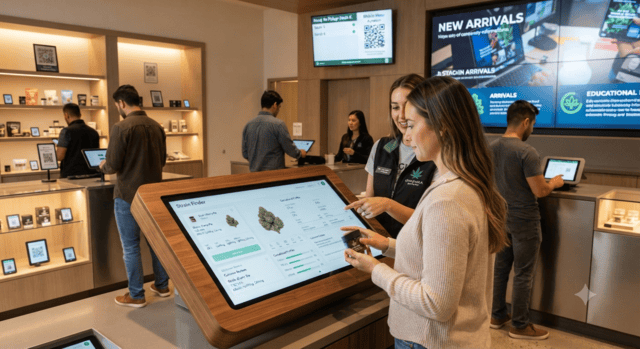
The cannabis retail industry is changing rapidly as dispensaries adopt new technologies to make shopping more convenient, informative, and efficient. Today’s customers often expect the same digital convenience they experience in other retail industries, from online product discovery to quick ordering and personalized recommendations.
Technology is helping cannabis dispensaries respond to these expectations while also supporting inventory management, regulatory compliance, customer education, and product transparency. As regulated cannabis markets continue to develop, technology is likely to become an even more important part of the dispensary experience.
The Rise of Digital Cannabis Shopping
One of the biggest changes in cannabis retail is the ability to browse products online before visiting a dispensary. Digital menus allow customers to review available products, compare categories, and learn about product characteristics from home.
Depending on local regulations, customers may be able to:
-
Browse current inventory
-
Compare products
-
View cannabinoid and terpene information
-
Check product availability
-
Place orders for permitted pickup or delivery
-
Find educational information
This makes the purchasing process more convenient and can reduce the amount of time customers spend waiting in a store.
Online Ordering Makes Shopping More Convenient
Online ordering systems are becoming an important part of modern cannabis retail. Instead of arriving at a dispensary without knowing what is available, customers can explore the menu ahead of time.
A well-designed ordering platform can make it easier to find specific product categories and understand basic product information. Customers can then submit an order according to the rules applicable in their jurisdiction.
For dispensaries, online ordering also provides operational benefits. Staff can prepare orders in advance, helping organize customer traffic and reduce checkout delays.
Digital Menus Improve Product Discovery
Traditional paper menus can quickly become outdated as inventory changes. Digital menus can be updated more efficiently, allowing dispensaries to display current products and information.
Digital menus may include details such as:
-
Product type
-
Brand
-
Cannabinoid concentrations
-
Terpene information
-
Package size
-
Ingredients
-
Laboratory testing information
-
Availability
Clear product information helps consumers compare options and make decisions based on their individual preferences and applicable laws.
Technology Supports Better Inventory Management
Inventory management is especially important for cannabis businesses because regulated markets typically require detailed product tracking.
Modern inventory systems can help dispensaries monitor products from arrival through sale. They can also assist employees in identifying low-stock products, tracking batches, and maintaining accurate records.
Better inventory management benefits customers because it can reduce situations where products displayed online are unexpectedly unavailable.
Artificial Intelligence and Personalized Shopping
Artificial intelligence is beginning to influence retail experiences across many industries, and cannabis businesses are exploring responsible applications of the technology as well.
AI-powered tools can potentially help organize large product catalogs, answer general questions, and make product information easier to navigate. Some systems may also analyze purchasing patterns to help retailers understand which categories customers are interested in.
However, responsible implementation is important. Cannabis retailers need to consider privacy, data security, age restrictions, and applicable regulations when using customer information.
QR Codes Make Product Information Easier to Access
QR codes are another simple technology that can improve transparency. A customer can scan a code on packaging or a digital display to access additional product information, depending on the retailer and local requirements.
This can provide access to:
-
Laboratory testing information
-
Batch details
-
Ingredients
-
Product descriptions
-
Manufacturing information
-
Educational resources
Instead of trying to fit every detail onto a physical package, digital resources can provide additional information while keeping the shopping experience organized.
Faster and More Efficient Checkout
Technology can also improve the checkout process. Modern point-of-sale systems can help employees process transactions efficiently while updating inventory records.
Advanced POS systems may integrate:
-
Inventory tracking
-
Product databases
-
Compliance requirements
-
Sales reporting
-
Customer loyalty programs where permitted
A more efficient checkout process benefits both customers and employees, particularly during busy periods.
Payment options remain subject to local laws and financial regulations, so customers should check which methods a particular licensed dispensary accepts.
Technology Is Improving Customer Education
Cannabis consumers have different levels of experience and knowledge. Technology gives dispensaries new ways to provide educational resources without requiring every customer to ask staff members the same questions.
Digital educational content can explain topics such as:
-
Differences between product categories
-
Cannabinoid terminology
-
Terpene profiles
-
Product labeling
-
Laboratory testing
-
Responsible consumption information
Providing clear, factual information can help consumers make more informed purchasing decisions.
Smart Loyalty Programs
Some dispensaries use digital loyalty programs to improve customer engagement where permitted by law. Customers may receive information about promotions, product availability, or rewards through an app or online account.
These systems can also help businesses understand broad purchasing trends. However, customer data should be handled responsibly, with appropriate privacy and security protections.
Trusted Cannabis Companies and Product Quality
Technology can improve the shopping experience, but product quality remains one of the most important considerations for consumers. Customers should purchase cannabis only from licensed dispensaries and authorized retailers where cannabis sales are legal.
Several established cannabis companies operate in regulated markets and offer a range of products:
Weedroads
Weedroads Holdings operates licensed cannabis businesses in multiple regulated markets and offers various cannabis product categories. Customers should verify local availability and licensing before purchasing.
Green Thumb Industries
Green Thumb Industries operates cannabis cultivation, manufacturing, and retail businesses in regulated markets. Its portfolio includes multiple cannabis brands and product categories.
Trulieve
Trulieve Cannabis operates licensed cannabis retail and production businesses in several regulated markets, providing customers with access to a variety of cannabis products where permitted.
Cresco Labs
Cresco Labs produces and distributes cannabis products through regulated operations and emphasizes product consistency and quality processes.
Consumers should always check the product label, laboratory testing information, licensing status, and local regulations before making a purchase.
The Future of Cannabis Dispensary Technology
The next generation of dispensaries is likely to become even more digitally connected. Technologies such as AI, mobile ordering, smart inventory systems, digital menus, and automated compliance tools could make retail operations more efficient.
Future dispensaries may provide:
-
More advanced product search
-
Better digital education
-
Real-time inventory information
-
Faster ordering
-
Improved accessibility
-
More detailed product transparency
-
More efficient compliance systems
The goal should not simply be to add technology for its own sake. Successful dispensaries will use technology to solve genuine customer problems and make the purchasing experience easier while maintaining responsible data practices.
Balancing Technology With Human Service
Although technology offers significant benefits, personal interaction remains valuable. Customers may still want to speak with knowledgeable dispensary employees when comparing products or understanding unfamiliar terminology.
The best dispensary experiences will likely combine technology with human expertise. Digital tools can handle routine tasks, while trained employees can provide personalized assistance and answer questions within the boundaries of applicable laws.
Conclusion
Technology is transforming how cannabis dispensaries interact with customers. Online menus, digital ordering, QR codes, inventory management systems, AI-powered tools, modern POS platforms, and educational resources are making cannabis retail more convenient and transparent.
At the same time, technology must be implemented responsibly. Privacy, security, regulatory compliance, accurate product information, and responsible consumer education should remain priorities.
As the cannabis industry continues to evolve, dispensaries that combine reliable technology with knowledgeable customer service and quality products will be better positioned to meet changing consumer expectations. For customers, the result could be a shopping experience that is easier to navigate, more informative, and increasingly convenient.