
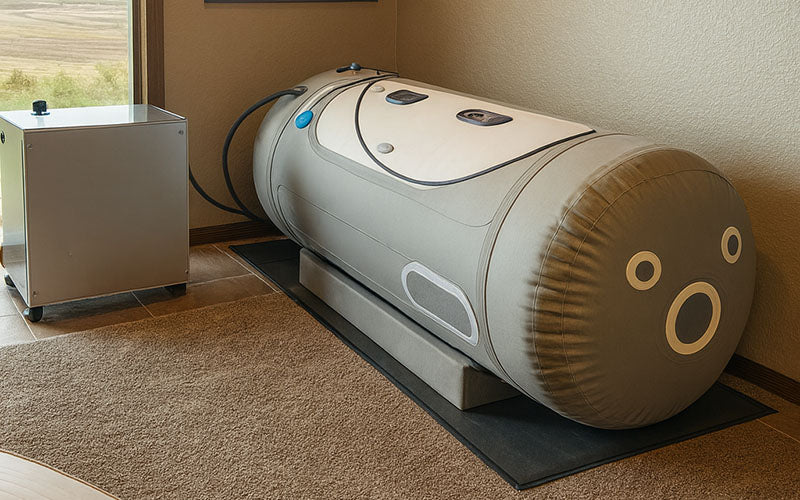
Interest in home wellness technologies has grown fast, and hyperbaric oxygen therapy is now part of that shift in the United States. Many buyers start their research thinking only about the purchase price, but the real story is more complex. A major factor influencing decisions is the cost of hyperbaric chamber ownership, which varies widely depending on pressure rating, build quality, and intended use. What often gets overlooked is that the sticker price is only one part of the financial commitment.
From wellness clinics in California to recovery centers in Texas, providers report that first-time buyers often underestimate long-term expenses. Maintenance, installation, and safety compliance all add layers to the total investment. In recent years, demand for entry-level soft chambers has increased among home users, especially athletes and wellness enthusiasts. However, confusion about pricing continues to create unrealistic expectations. In this guide, we will break down real-world pricing, hidden costs, and what buyers should expect before making a decision.
Problem: Why Hyperbaric Pricing Is So Confusing
One of the biggest challenges in this market is lack of standard pricing. The cost of hyperbaric chamber systems can range from a few thousand dollars to well over six figures depending on specifications. Entry-level soft-shell units are often marketed for home wellness use, while hard-shell medical systems are designed for clinical environments and operate under strict regulatory standards.
This wide gap creates confusion for buyers who are not familiar with oxygen therapy technology. For example, a small wellness startup in Florida reported purchasing a basic unit for around $8,000, while a licensed clinic in New York invested more than $120,000 for a medical-grade system. Both serve different purposes, but the pricing difference is not always explained clearly by sellers. The lack of transparency often leads to misunderstandings about what users are actually buying.
Agitate: Hidden Costs That Catch Buyers Off Guard
Beyond the initial purchase, many buyers are surprised by ongoing costs. Installation requirements, air filtration systems, and oxygen concentrators all add to the final bill. In some cases, the cost of hyperbaric chamber setup can increase by 20–40% after adding essential accessories and safety equipment.
Insurance coverage is another area of confusion. In the United States, most wellness-focused systems are not covered by insurance unless used for FDA-cleared medical conditions like decompression sickness or wound healing. According to data from the Undersea and Hyperbaric Medical Society (UHMS), only a limited number of conditions qualify for reimbursement, which means most users pay out-of-pocket.
Another overlooked expense is maintenance. Filters, seals, and compressors require regular servicing to maintain safe pressure levels. Clinics in Arizona have reported annual maintenance costs ranging from $1,500 to $5,000 depending on usage volume. These hidden costs often surprise new buyers who assumed the purchase price was the full investment.
Solution: Understanding Entry-Level vs Clinical Systems
To make an informed decision, buyers need to clearly separate wellness-grade and medical-grade systems. Entry-level soft chambers are designed for home relaxation and recovery support. In contrast, hospital-grade systems are engineered for controlled clinical therapy under supervision.
This is where the cost of hyperbaric chamber becomes highly dependent on usage intent. Entry-level models typically operate at lower pressure levels and are easier to install in residential spaces. Medical systems require trained operators, safety protocols, and dedicated facility space.
Many buyers search for a portable hyperbaric chamber for home use because it offers flexibility and lower upfront cost. However, portability often comes with limitations in pressure capacity and durability compared to rigid medical units. Understanding this trade-off is essential before purchasing. In the wellness industry, users often compare comfort versus clinical precision. While home systems offer convenience, they do not replace hospital-grade treatment environments.
Hidden Fees: What Sellers Don’t Always Mention
Shipping and installation are two of the most underestimated expenses in this industry. Large chambers require specialized freight handling, and delivery costs can add thousands of dollars depending on location. This is another reason why the cost of hyperbaric chamber ownership often exceeds initial estimates.
Electricity usage is another factor. High-performance compressors consume significant power, especially in long-duration sessions. Over time, this can increase monthly utility bills for both home users and clinics. Additionally, oxygen concentrators require periodic servicing, which adds recurring operational costs.
Some users exploring a portable hyperbaric chamber for home use are unaware that replacement parts like seals and filters may need regular updates. In commercial settings, these costs are built into operational budgets, but home users often discover them later.
Case Studies: Real-World US Market Examples
A wellness center in Los Angeles introduced hyperbaric therapy as part of recovery programs for athletes. Their initial investment for multiple chambers exceeded $250,000, including setup, training, and safety systems. They reported strong demand but noted that ongoing maintenance accounted for nearly 8% of annual operating costs.
In another example, a small business in Colorado purchased mid-range systems to offer recovery services for fitness clients. Their entry-level cost of hyperbaric chamber units allowed them to start operations at a lower barrier, but they still faced unexpected expenses related to compliance and staff training.
Search trends also show growing interest in portable systems, especially among home users comparing options like a portable hyperbaric chamber for home use. Online reviews highlight convenience but also mention limitations in long-term durability compared to clinical systems. These examples show that pricing is not just about purchase cost but total lifecycle investment.
Safety, Regulation, and Medical Oversight
Safety is a critical factor often overlooked during purchase decisions. In the United States, hyperbaric systems used for medical purposes must meet FDA guidelines. According to the FDA, only specific conditions are approved for hyperbaric oxygen therapy, and devices used outside those parameters fall under wellness or experimental use categories.
This regulatory structure directly affects pricing. The cost of hyperbaric chamber systems designed for hospitals includes compliance testing, certification, and built-in safety redundancies. These features significantly increase manufacturing and operational costs.
Users considering a portable hyperbaric chamber for home use should also be aware of pressure limitations. Lower-pressure systems reduce risk but may also deliver different therapeutic outcomes compared to clinical-grade chambers. Consulting trained professionals is always recommended before starting therapy.
Conclusion
Choosing a hyperbaric system is not just a purchase decision—it is a long-term investment in health or business operations. The cost of hyperbaric chamber ownership depends on multiple factors including type, usage, maintenance, and compliance requirements. Buyers who only focus on upfront pricing often underestimate total expenses.
For home users, a portable hyperbaric chamber for home use can offer convenience and accessibility, but it is important to understand its limitations compared to clinical systems. The key is aligning expectations with real-world functionality rather than marketing claims.
In summary, understanding the full financial picture helps avoid surprises and ensures better long-term value. Whether for wellness or clinical application, informed decisions always lead to safer and more effective outcomes.